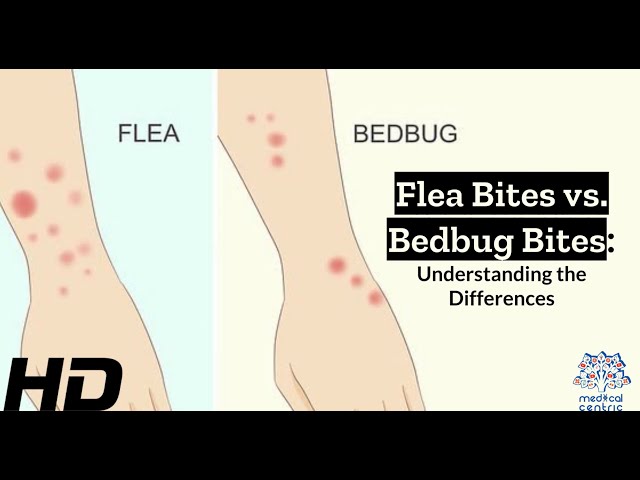
This resource serves as a comprehensive guide for determining the source of insect bites through visual examination. Understanding the characteristics of different bite marks can be crucial for appropriate treatment and managing potential health risks. Pictures provide a valuable tool for comparing and contrasting various bite appearances, aiding in accurate identification. This guide aims to empower individuals with the knowledge to distinguish between common insect bites and seek appropriate care when necessary.
For instance, a mosquito bite typically presents as a small, round, puffy bump that itches. A tick bite, on the other hand, might appear as a small red dot with a dark center, often remaining attached to the skin. These visual distinctions, highlighted through images, are key to identifying the culprit and determining the appropriate course of action.
Identifying Bug Bites
Accurate bite identification begins with careful observation. Note the size, shape, and color of the bite mark. Pay attention to the surrounding skin for any signs of redness, swelling, or blistering. Documenting the bite’s evolution over time can also provide valuable clues.
Mosquito bites often appear as small, itchy bumps. They typically resolve within a few days without intervention. However, in some cases, they can transmit diseases like West Nile virus, making proper identification crucial.
Tick bites, often painless, can transmit serious illnesses like Lyme disease. Check for a small, dark center surrounded by a red halo. Prompt removal of the tick is essential.
Spider bites can vary significantly in appearance. Some may resemble mosquito bites, while others can cause more severe reactions, including pain, swelling, and even tissue damage. Seek medical attention if a spider bite is suspected.
Bed bug bites often appear in clusters or lines, typically on exposed skin. They are intensely itchy and can cause significant discomfort. Thorough inspection of bedding and surrounding areas is necessary for confirmation.
Flea bites are small, red bumps that often appear in groups. They are commonly found on the ankles and legs. Pets are often the source of flea infestations.
Ant bites can cause localized pain, redness, and swelling. Some ant species, like fire ants, inject venom that can cause intense burning and itching.
Bee and wasp stings are characterized by sharp pain, followed by redness and swelling. A stinger may be present in the skin. Allergic reactions can be severe and require immediate medical attention.
Using a visual guide with clear pictures of various bug bites can significantly aid in accurate identification. Compare the observed bite with the images in the guide to determine the likely culprit and appropriate next steps.
Important Points to Consider
-
Bite Location:
Where the bite is located on the body can offer clues. Bites on exposed skin suggest mosquitoes or flies, while bites clustered under clothing might indicate bed bugs or fleas. Considering the environment where the bite occurred can also be helpful.
-
Reaction Severity:
Mild reactions with localized itching and swelling are common. However, severe reactions involving difficulty breathing, dizziness, or widespread swelling warrant immediate medical attention. Monitoring the reaction’s progression is essential.
-
Number of Bites:
Single bites might suggest a mosquito or spider, while multiple bites clustered together often indicate fleas or bed bugs. The pattern of bites can provide valuable diagnostic information.
-
Time of Year:
Certain insects are more prevalent during specific seasons. Mosquitoes are more active in warmer months, while ticks are more common in spring and summer. Knowing the seasonal activity of insects can narrow down the possibilities.
-
Associated Symptoms:
Beyond the bite itself, other symptoms like fever, headache, or muscle aches can indicate a more serious infection transmitted by the insect. Paying attention to the overall clinical picture is important.
-
Medical History:
Individuals with allergies to insect venom are at greater risk of severe reactions. Knowing one’s allergy status is crucial for prompt and appropriate treatment.
-
Travel History:
Exposure to different insects varies depending on geographic location. Travel history can provide context for potential bite sources.
-
Pet Ownership:
Pets can carry fleas and ticks, increasing the risk of exposure to these insects. Regular pet pest control is essential.
-
Environmental Factors:
Spending time outdoors, particularly in wooded or grassy areas, increases the risk of tick and mosquito bites. Taking appropriate precautions, like using insect repellent, is recommended.
-
Prompt Medical Attention:
If unsure about the source of a bite or if experiencing severe symptoms, seek medical advice promptly. Early diagnosis and treatment can prevent complications.
Tips for Identifying and Managing Bug Bites
-
Clean the Bite Area:
Wash the bite with soap and water to remove any dirt or debris. This helps prevent infection and promotes healing. Avoid scratching the bite, as this can break the skin and increase the risk of infection.
-
Apply a Cold Compress:
A cold compress can help reduce swelling and itching. Wrap ice in a cloth and apply it to the bite for 10-15 minutes at a time. Avoid applying ice directly to the skin, as this can cause damage.
-
Over-the-Counter Remedies:
Antihistamine creams or oral medications can help relieve itching. Pain relievers like ibuprofen or acetaminophen can reduce pain and inflammation. Follow the instructions on the product label carefully.
-
Avoid Scratching:
Scratching can worsen itching and increase the risk of infection. Keep fingernails trimmed short and try to avoid touching the bite area. Distracting oneself with other activities can help resist the urge to scratch.
Learning to differentiate between various insect bites empowers individuals to take appropriate action. This knowledge can prevent unnecessary anxiety and ensure timely medical intervention when needed. Accurate identification is the first step towards effective management.
Pictures are an invaluable tool in this process. Visual comparison allows for a more precise identification than relying on descriptions alone. A comprehensive visual guide can be a valuable resource.
Understanding the habits and habitats of different insects can also aid in identification. Knowing which insects are prevalent in a particular area can narrow down the possibilities. This knowledge can also inform preventative measures.
Prevention is always the best approach. Using insect repellent, wearing protective clothing, and avoiding areas with high insect activity can significantly reduce the risk of bites. Regularly checking for ticks after spending time outdoors is also crucial.
Prompt removal of ticks is essential to minimize the risk of disease transmission. Use fine-tipped tweezers to grasp the tick as close to the skin as possible and pull upward with steady, even pressure. Avoid twisting or squeezing the tick.
If a bite becomes infected, characterized by increasing pain, redness, swelling, or pus, seek medical attention. Antibiotics may be necessary to treat the infection. Early treatment can prevent complications.
Maintaining a clean and clutter-free environment can help reduce insect populations. Eliminating standing water, regularly cleaning bedding, and vacuuming frequently can deter pests. Professional pest control services may be necessary in some cases.
Education is key to preventing and managing insect bites. Familiarizing oneself with the appearance of different bites, understanding preventative measures, and knowing when to seek medical attention are essential for protecting one’s health.
Frequently Asked Questions
John: My bite is incredibly itchy and has a red ring around it. Could it be a tick bite?
Professional: A red ring around a bite could indeed be a sign of a tick bite, particularly if the center is dark. Its crucial to check for the tick itself. If you find it, remove it carefully with tweezers and monitor the bite for any further changes. If you develop a fever, rash, or joint pain, consult a doctor immediately as these could be signs of Lyme disease.
Sarah: I woke up with several itchy bites, mostly on my legs. Could these be bed bugs?
Professional: Bites primarily on the legs, especially if they appeared overnight, could suggest fleas. However, bed bug bites are also a possibility. Check your bedding carefully for signs of bed bugs, such as small dark spots (fecal matter) or shed skins. If you suspect bed bugs, contact a pest control professional for inspection and treatment.
Ali: I was stung by a bee and the area is swollen and painful. What should I do?
Professional: If youve been stung by a bee, try to remove the stinger if it’s still present by scraping it away with a flat object like a credit card. Avoid squeezing it as this can release more venom. Apply a cold compress to reduce swelling and pain. If you experience difficulty breathing, dizziness, or hives, seek immediate medical attention as these are signs of an allergic reaction.
Maria: How can I tell the difference between a mosquito bite and a spider bite?
Professional: Mosquito bites are typically small, round, itchy bumps. Spider bites can vary, but some may have two distinct puncture marks. Monitor the bite for any signs of increasing pain, redness, swelling, or ulceration. If you suspect a spider bite, especially from a venomous species, seek medical advice promptly.
David: I have several bites on my ankles after hiking. What could they be?
Professional: Bites on the ankles after hiking could be from various insects, including ticks, chiggers, or mosquitoes. Check carefully for ticks, which can transmit diseases. Chigger bites are often intensely itchy and appear in clusters. Clean the bites with soap and water and apply an anti-itch cream. If the itching persists or you develop other symptoms, consult a healthcare professional.
Youtube Video: