Indications of illness can manifest in various ways, ranging from subtle physical changes to noticeable behavioral shifts. These manifestations serve as crucial clues for healthcare professionals in diagnosing and managing health conditions. For instance, a persistent cough might suggest a respiratory infection, while sudden weight loss could indicate a more serious underlying issue. Observing and documenting these indicators is essential for effective patient care and treatment planning.
Signs and Symptoms of Lyme Disease
Lyme disease, a bacterial infection transmitted through the bite of infected blacklegged ticks, presents a range of symptoms that can vary significantly from person to person. Early signs often mimic those of the flu, making diagnosis challenging. Prompt recognition and treatment are crucial to prevent the disease from progressing to later stages, where more severe complications can arise. Understanding the diverse manifestations of Lyme disease is essential for both patients and healthcare providers.
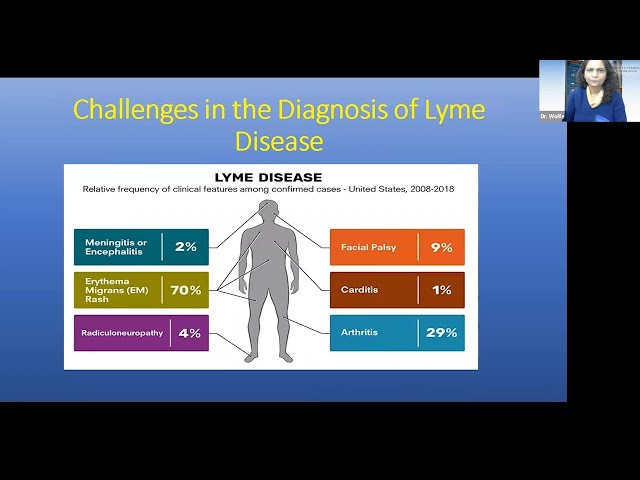
One of the hallmark signs of early Lyme disease is erythema migrans, a distinctive circular rash that expands outward from the site of the tick bite. This rash, often described as a “bull’s-eye,” may appear anywhere from three to 30 days after the bite. However, not everyone infected with Lyme disease develops this characteristic rash. Other early symptoms include fever, chills, headache, fatigue, muscle and joint aches, and swollen lymph nodes.
As the infection progresses, untreated Lyme disease can spread to other parts of the body, including the heart, joints, and nervous system. This disseminated stage can manifest as intermittent pain in large joints, such as the knees, facial palsy (Bell’s palsy), severe headaches, and neck stiffness. Heart palpitations and dizziness can also occur due to Lyme carditis, an inflammation of the heart tissue.
Neurological symptoms, known as Lyme neuroborreliosis, can develop weeks, months, or even years after the initial infection. These symptoms can include numbness, tingling, pain in the limbs, and problems with memory and concentration. Prompt diagnosis and treatment are vital to prevent long-term neurological damage.
In some cases, Lyme disease can persist even after treatment, leading to a condition known as post-treatment Lyme disease syndrome (PTLDS). Individuals with PTLDS may experience persistent symptoms such as fatigue, pain, and cognitive difficulties. The exact cause of PTLDS is not fully understood, and research is ongoing to better understand this condition.
Diagnosing Lyme disease can be challenging due to the wide range of symptoms and the lack of a definitive diagnostic test. Healthcare providers typically rely on a combination of factors, including the patient’s medical history, physical examination findings, and laboratory tests. The standard blood tests for Lyme disease detect antibodies to the bacteria, but these antibodies may not be detectable in the early stages of the infection.
Treatment for Lyme disease typically involves a course of antibiotics, such as doxycycline or amoxicillin. The duration of treatment varies depending on the stage of the disease and the severity of symptoms. Early diagnosis and prompt treatment are essential to prevent the development of long-term complications.
Prevention of Lyme disease involves taking precautions to avoid tick bites, such as wearing long sleeves and pants in wooded areas, using insect repellent containing DEET, and performing thorough tick checks after spending time outdoors. Prompt removal of attached ticks is also crucial to reduce the risk of infection.
If you experience any symptoms suggestive of Lyme disease, it is important to consult a healthcare professional for proper evaluation and diagnosis. Early detection and treatment are key to preventing serious complications and ensuring a full recovery.
Important Points about Lyme Disease
-
Early Symptoms:
Early Lyme disease often presents with flu-like symptoms, such as fever, chills, headache, fatigue, and muscle aches. Recognizing these early signs is crucial for prompt treatment. Delaying treatment can allow the infection to spread to other parts of the body, leading to more serious complications. If you experience these symptoms after a tick bite, consult a healthcare professional immediately.
-
Erythema Migrans:
The characteristic “bull’s-eye” rash, known as erythema migrans, is a key indicator of Lyme disease. However, not all individuals with Lyme disease develop this rash. The absence of a rash should not be used to rule out the possibility of infection. Other symptoms should be considered in conjunction with potential tick exposure.
-
Disseminated Lyme Disease:
Untreated Lyme disease can spread to other parts of the body, affecting the heart, joints, and nervous system. Joint pain, facial palsy, and neurological symptoms can occur in this stage. Prompt treatment is essential to prevent long-term damage.
-
Lyme Neuroborreliosis:
Neurological involvement in Lyme disease can manifest as numbness, tingling, pain in the limbs, and cognitive difficulties. These symptoms can occur weeks, months, or even years after the initial infection. Accurate diagnosis and treatment are crucial to prevent permanent neurological damage.
-
Post-Treatment Lyme Disease Syndrome (PTLDS):
Some individuals experience persistent symptoms even after completing antibiotic treatment for Lyme disease. This condition, known as PTLDS, can include fatigue, pain, and cognitive impairment. Further research is needed to fully understand the causes and treatment of PTLDS.
-
Diagnosis:
Diagnosing Lyme disease can be challenging due to the variability of symptoms and the limitations of current diagnostic tests. Healthcare providers consider a combination of factors, including medical history, physical examination, and laboratory tests. Early diagnosis is essential for effective treatment.
-
Treatment:
Antibiotics are the standard treatment for Lyme disease. The type and duration of antibiotic therapy depend on the stage of the disease and the severity of symptoms. Early treatment is crucial to prevent long-term complications. Following the prescribed antibiotic regimen is essential for successful treatment.
-
Prevention:
Preventing tick bites is the best way to avoid Lyme disease. This includes wearing protective clothing, using insect repellent, and performing regular tick checks after spending time outdoors. Prompt removal of attached ticks is also important.
-
Tick Removal:
If you find a tick attached to your skin, remove it promptly using fine-tipped tweezers. Grasp the tick as close to the skin’s surface as possible and pull upward with steady, even pressure. Avoid twisting or squeezing the tick, as this can increase the risk of infection. After removing the tick, clean the bite area with antiseptic.
-
Seek Medical Attention:
If you experience any symptoms suggestive of Lyme disease, consult a healthcare professional for proper evaluation and diagnosis. Early detection and treatment are essential to prevent serious complications and ensure a full recovery. Delaying treatment can lead to more severe and persistent symptoms.
Tips for Preventing Lyme Disease
-
Wear Protective Clothing:
When venturing into wooded or grassy areas, wear long sleeves, long pants, and light-colored clothing to make ticks easier to spot. Tuck your pants into your socks to create a barrier against ticks crawling up your legs. This simple precaution can significantly reduce your risk of tick bites. Choosing light-colored clothing allows you to see ticks more easily.
-
Use Insect Repellent:
Apply insect repellent containing DEET to exposed skin and clothing. Follow the product instructions carefully. DEET is an effective repellent against ticks and other biting insects. Reapply repellent as needed, especially after sweating or swimming. Choose a repellent with an appropriate concentration of DEET for your needs.
-
Perform Tick Checks:
After spending time outdoors, carefully check your body, clothing, and pets for ticks. Pay close attention to areas such as the scalp, behind the ears, under the arms, and in the groin area. Showering soon after being outdoors can help wash away unattached ticks. If you find a tick, remove it promptly.
-
Landscape Management:
Keep your lawn mowed short and remove leaf litter and brush around your home to create a less hospitable environment for ticks. Creating a tick-safe zone around your home can reduce the risk of tick encounters. Consider using landscaping techniques that discourage tick populations, such as creating a barrier of wood chips or gravel between your lawn and wooded areas.
-
Be Aware of Tick Habitats:
Ticks thrive in wooded areas, tall grasses, and leaf litter. Be extra cautious when venturing into these environments. Avoid walking through tall grass or brush whenever possible. Stick to trails and paths when hiking in wooded areas. Be mindful of tick activity during peak seasons.
Lyme disease is a significant public health concern, particularly in regions where infected ticks are prevalent. Understanding the risks and taking preventive measures are crucial for protecting yourself and your family. Early diagnosis and treatment are essential to prevent long-term complications.
Public awareness campaigns play a vital role in educating communities about Lyme disease prevention and early recognition of symptoms. These campaigns often emphasize the importance of tick checks, the use of insect repellent, and the need to seek medical attention if symptoms develop. Community involvement is essential for effective Lyme disease prevention.
Research efforts are ongoing to develop more accurate diagnostic tests for Lyme disease and to improve treatment options for persistent symptoms. Scientists are exploring new approaches to diagnosis, including biomarkers and advanced imaging techniques. The goal is to provide more effective and timely care for individuals with Lyme disease.
Collaboration between healthcare providers, researchers, and public health officials is essential for addressing the challenges posed by Lyme disease. Sharing information and coordinating efforts can lead to improved prevention strategies, diagnostic tools, and treatment protocols. A multidisciplinary approach is crucial for effectively combating Lyme disease.
The impact of Lyme disease on individuals and families can be substantial, particularly in cases of chronic or persistent symptoms. Support groups and online communities provide valuable resources and emotional support for those affected by Lyme disease. Connecting with others who understand the challenges of living with Lyme disease can be empowering and helpful.
Advocacy groups play a crucial role in raising awareness about Lyme disease, promoting research funding, and supporting individuals affected by the disease. These groups work tirelessly to ensure that the voices of Lyme disease patients are heard and that their needs are addressed. Advocacy efforts are essential for advancing Lyme disease research and improving patient care.
The economic burden of Lyme disease is significant, considering the costs associated with diagnosis, treatment, and lost productivity. Investing in prevention programs and research can help reduce the overall economic impact of the disease. Prevention is often more cost-effective than treatment in the long run.
Lyme disease is a complex and challenging illness, but with continued research, improved diagnostic tools, and effective treatment strategies, individuals affected by this disease can live full and productive lives. Early diagnosis and prompt treatment are key to achieving optimal outcomes. Ongoing research offers hope for better understanding and managing Lyme disease in the future.
Frequently Asked Questions about Lyme Disease
John: I was bitten by a tick, but I don’t have a rash. Could I still have Lyme disease?
Professional: Yes, it’s possible to have Lyme disease without developing the characteristic rash. Not everyone infected with Lyme disease develops erythema migrans. If you’ve been bitten by a tick and experience flu-like symptoms, consult a healthcare professional, even if you don’t have a rash.
Sarah: How long after a tick bite can Lyme disease symptoms appear?
Professional: Lyme disease symptoms can appear anywhere from three to 30 days after a tick bite. However, in some cases, symptoms may not develop for several weeks or even months after the initial infection. It’s important to be vigilant and seek medical attention if you experience any symptoms suggestive of Lyme disease.
Ali: Can Lyme disease be cured?
Professional: Early Lyme disease is usually successfully treated with antibiotics. However, if left untreated, it can progress and become more difficult to manage. Even with appropriate treatment, some individuals may experience persistent symptoms. Early diagnosis and prompt treatment are essential for the best possible outcome.
Maria: What should I do if I find a tick attached to me?
Professional: Remove the tick promptly using fine-tipped tweezers. Grasp the tick as close to the skin’s surface as possible and pull upward with steady, even pressure. Clean the bite area with antiseptic. If you develop any symptoms suggestive of Lyme disease, consult a healthcare professional.
David: Are there any long-term complications of Lyme disease?
Professional: Untreated Lyme disease can lead to various long-term complications, including arthritis, neurological problems, and heart issues. Early diagnosis and treatment are crucial to prevent these complications. If you’ve been bitten by a tick and experience any symptoms, seek medical attention promptly.
Youtube Video: