The sensation, or lack thereof, of an insect bite depends largely on the insect’s feeding mechanism and the composition of its saliva. Some insects have mouthparts designed for quick, shallow punctures, while others possess more robust structures for deeper penetration. Saliva injected during feeding can contain anesthetic compounds that mask the bite, anticoagulants to facilitate blood flow, or enzymes that break down tissue. These factors combine to determine whether a bite is immediately noticeable or goes undetected until a reaction develops.
which bug bites can you feel and which can you not
Mosquito bites are often felt immediately as a sharp, itchy prick. This is due to their needle-like proboscis penetrating the skin and injecting saliva. The saliva triggers an immune response, leading to the characteristic red bump and itching. This reaction can vary in intensity depending on individual sensitivity and the specific mosquito species.
Tick bites, conversely, are often painless and go unnoticed for hours or even days. Ticks have specialized mouthparts that anchor them to the skin and secrete a numbing agent in their saliva. This allows them to feed for extended periods without detection, increasing the risk of transmitting diseases like Lyme disease.
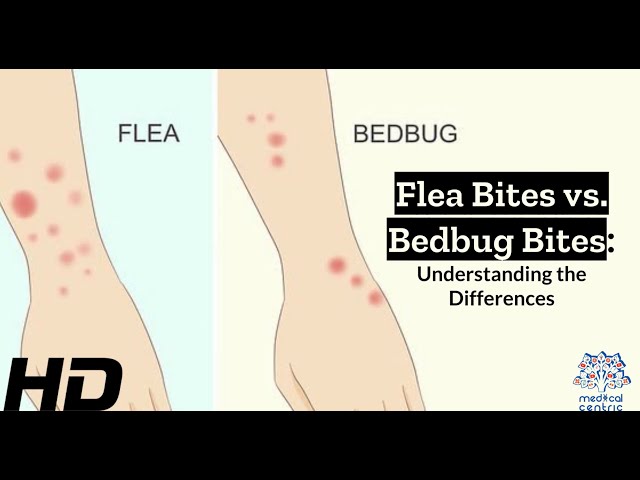
Bed bug bites are another example of bites that may not be felt initially. Their saliva contains an anesthetic, allowing them to feed undetected. The bites typically appear as small, red, itchy welts, often in clusters or lines. Reactions to bed bug bites can vary significantly, with some individuals showing no reaction at all.
Flea bites are usually felt as a sharp, sudden prick. These bites often appear in clusters, especially around the ankles and lower legs. Flea saliva can cause intense itching and skin irritation. Like bed bugs, reactions to flea bites can differ greatly among individuals.
Spider bites can range from painless to extremely painful. Some spiders, like the black widow, inject venom that can cause severe pain, muscle cramps, and other systemic symptoms. Others, like the common house spider, have bites that may feel like a mild pinprick or go entirely unnoticed.
Ant bites can cause a range of sensations, from a mild sting to a burning pain. Fire ant bites, in particular, are known for their intense, fiery pain. These ants inject venom that causes a localized inflammatory reaction, resulting in painful pustules.
Horsefly bites are painful and immediately noticeable. These large flies have sharp mouthparts that inflict a deep cut, often resulting in bleeding. The bite can be quite irritating and may swell significantly.
Deerfly bites are similar to horsefly bites, causing a sharp, stinging pain. These flies also cut the skin, leaving a painful wound that can be prone to infection.
Chigger bites are often not felt initially, but they can cause intense itching several hours later. Chiggers are tiny mites that burrow into the skin, causing red bumps and welts.
Scabies mites burrow into the skin, causing intense itching, especially at night. The bites are often not felt initially, but the subsequent itching can be extremely bothersome.
Important Points to Consider
-
Individual Sensitivity:
Reactions to insect bites can vary significantly depending on individual sensitivity. Some people may experience mild itching, while others may develop severe allergic reactions.
-
Disease Transmission:
Certain insects, such as ticks and mosquitoes, can transmit diseases through their bites. It’s important to be aware of the risks and take precautions in areas where these insects are prevalent. Prompt removal of ticks is crucial to minimizing the risk of Lyme disease.
-
Bite Location:
The location of the bite can sometimes offer clues about the culprit. For example, bites around the ankles and feet are often from fleas, while bites clustered in lines may indicate bed bugs. Recognizing patterns can aid in identification.
-
Secondary Infections:
Scratching insect bites can break the skin and increase the risk of secondary bacterial infections. It’s important to keep the bites clean and avoid scratching to prevent infection.
-
Medical Attention:
If you experience severe symptoms, such as difficulty breathing, swelling of the face or throat, or dizziness, seek immediate medical attention. These could be signs of an allergic reaction.
-
Prevention:
Using insect repellent, wearing protective clothing, and eliminating breeding grounds can help prevent insect bites. Regularly checking for ticks after spending time outdoors is also important.
-
Proper Identification:
Correctly identifying the insect responsible for the bite can help determine the appropriate treatment. If you’re unsure, consult with a medical professional or entomologist.
Tips for Dealing with Insect Bites
-
Clean the bite area:
Wash the bite with soap and water to remove any dirt or debris and reduce the risk of infection. Pat the area dry gently with a clean towel.
-
Apply a cold compress:
A cold compress can help reduce swelling and itching. Apply a cold pack or ice wrapped in a cloth to the affected area for 10-15 minutes at a time.
-
Use over-the-counter remedies:
Antihistamine creams or lotions can help relieve itching. Hydrocortisone cream can also reduce inflammation and swelling.
-
Avoid scratching:
Scratching can break the skin and lead to infection. Keep the area clean and covered if necessary to prevent scratching.
Understanding the feeding habits of different insects can provide valuable insights into bite prevention. Mosquitoes, for instance, are attracted to carbon dioxide and body heat, while ticks are more likely to be found in tall grass and wooded areas. Tailoring preventive measures to the specific insect can increase their effectiveness.
Insect repellents containing DEET are generally considered safe and effective for preventing mosquito and tick bites. However, it’s important to follow the instructions on the label and use the appropriate concentration for the intended age group. Natural repellents, such as citronella oil, can also provide some protection.
Wearing long sleeves, pants, and socks can help reduce exposed skin and minimize the risk of insect bites. Light-colored clothing can make it easier to spot ticks and other insects. Tucking pants into socks can further prevent ticks from accessing the skin.
Eliminating standing water around the home can help reduce mosquito breeding grounds. Keeping grass and vegetation trimmed can also make the environment less hospitable to ticks and other insects.
Prompt removal of ticks is crucial to reducing the risk of Lyme disease transmission. Use fine-tipped tweezers to grasp the tick as close to the skin as possible and pull upward with steady, even pressure. Avoid twisting or jerking the tick, as this can break off the mouthparts and increase the risk of infection.
Reactions to insect bites can sometimes be delayed. It’s important to monitor the bite area for any changes, such as increasing redness, swelling, or pain. If symptoms worsen or don’t improve, consult with a medical professional.
Insect bites can be particularly troublesome for young children and individuals with sensitive skin. It’s important to take extra precautions to protect these individuals from bites and to seek medical advice if necessary.
While most insect bites are relatively harmless, some can cause serious health problems. Being aware of the potential risks and taking appropriate preventive measures can help minimize the impact of insect bites.
Frequently Asked Questions
John: What should I do if I think I’ve been bitten by a poisonous spider?
Professional: If you suspect a poisonous spider bite, seek immediate medical attention. Try to capture the spider if possible for identification. Describe your symptoms to the medical professional, including the location and appearance of the bite, and any pain or other sensations you’re experiencing.
Sarah: How can I tell the difference between a mosquito bite and a spider bite?
Professional: Mosquito bites typically appear as small, red, itchy bumps, while spider bites can vary in appearance. Some spider bites may resemble mosquito bites initially, but they may develop into larger lesions or cause more severe symptoms. If you’re unsure, it’s best to consult with a medical professional.
Ali: Are there any home remedies for relieving the itching of insect bites?
Professional: A cold compress, a paste of baking soda and water, or applying a slice of onion or cucumber to the bite can sometimes provide temporary relief from itching. However, if the itching is severe or persistent, it’s best to use over-the-counter antihistamine creams or consult with a medical professional.
Maria: How long do insect bite reactions typically last?
Professional: The duration of insect bite reactions can vary depending on the insect, individual sensitivity, and the severity of the reaction. Most mosquito bites resolve within a few days, while other bites, such as chigger bites, can cause itching for several weeks. If symptoms persist or worsen, seek medical advice.
David: Can insect bites cause scarring?
Professional: Some insect bites, particularly those that cause significant inflammation or secondary infection, can potentially leave scars. Avoiding scratching and keeping the bite clean can help minimize the risk of scarring. If you’re concerned about scarring, consult with a dermatologist.
Youtube Video: