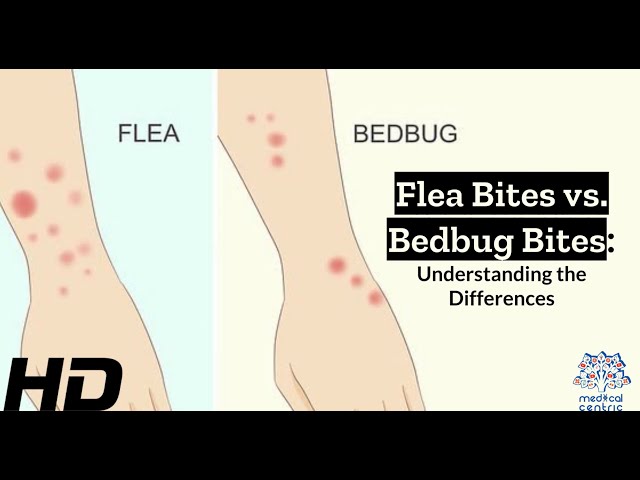
These tiny, wingless insects are external parasites, meaning they live on the outside of a host organism. They survive by consuming blood, and while their preferred hosts are typically animals like cats and dogs, they are opportunistic feeders. This means they will readily feed on other warm-blooded creatures, including humans, if given the chance. Their bites can cause significant itching and irritation, and in some cases, can transmit diseases. Understanding their behavior and how to prevent infestations is key to avoiding uncomfortable encounters.
do fleas bite people
Fleas are agile and efficient at locating and accessing a blood meal. Their bodies are laterally compressed, allowing them to easily navigate through fur and feathers. Equipped with strong legs adapted for jumping, they can leap impressive distances relative to their size, quickly reaching a new host. Once on a host, they use their specialized mouthparts to pierce the skin and draw blood. This feeding process can cause an immediate reaction in the host, leading to itching and discomfort.
The saliva injected by a flea during feeding contains anticoagulants that prevent blood clotting, ensuring a continuous flow. This saliva also contains allergens that are the primary cause of the itching and inflammation associated with flea bites. Reactions to flea bites vary from person to person, with some individuals experiencing mild irritation while others develop more pronounced skin reactions. Repeated exposure can lead to increased sensitivity and more severe symptoms.
Fleas are not just a nuisance; they can also transmit diseases. While less common in humans than in animals, flea-borne diseases are a possibility. Historically, fleas were vectors for the bubonic plague, a devastating disease that caused widespread mortality. While the plague is less prevalent today, other diseases, such as murine typhus, can be transmitted through flea bites. Therefore, effective flea control is crucial for public health.
Identifying flea bites can be challenging as they often resemble other insect bites. They typically appear as small, red bumps, often clustered together. The bites are frequently located on the lower legs and feet, as fleas often jump onto these areas first. Intense itching is a hallmark of flea bites, and scratching can lead to secondary skin infections. Consulting a healthcare professional can help confirm the diagnosis and recommend appropriate treatment.
Preventing flea infestations is the best way to avoid bites. Regularly treating pets with effective flea control products is essential. These products come in various forms, including topical treatments, oral medications, and collars. Choosing the right product depends on the pet’s species, age, and lifestyle. Consulting a veterinarian is recommended to determine the most suitable option.
Maintaining a clean home environment is also crucial for flea control. Regular vacuuming, especially in areas where pets spend time, helps remove fleas, eggs, and larvae. Washing pet bedding and other fabrics in hot water also helps eliminate fleas. In severe infestations, professional pest control services may be necessary to effectively eradicate fleas from the home.
Outdoor areas can also harbor fleas, particularly in shaded, humid environments. Keeping lawns mowed and removing leaf litter can help reduce flea populations. Insecticides specifically designed for outdoor flea control can be used, but it’s important to follow the manufacturer’s instructions carefully and consider the potential impact on other insects and the environment.
If you suspect a flea infestation, prompt action is necessary. Treating pets and the home environment simultaneously is essential for effective control. Ignoring an infestation can lead to a rapid increase in flea populations, making eradication more challenging. Early intervention can minimize the discomfort associated with flea bites and prevent potential health risks.
While flea bites can be uncomfortable, they are typically not a serious medical concern for most people. However, individuals with allergies or sensitivities may experience more severe reactions. If you experience significant swelling, pain, or other unusual symptoms after a flea bite, seek medical advice. Prompt treatment can alleviate symptoms and prevent complications.
Important Points to Remember
- Fleas are external parasites. Fleas are small, wingless insects that survive by feeding on the blood of warm-blooded animals, including humans. They are external parasites, meaning they live on the outside of their host. Their bites can cause itching, irritation, and in some cases, transmit diseases.
- Fleas are agile and can jump long distances. Their bodies are designed for efficient movement through fur and feathers, and their powerful legs enable them to jump considerable distances, facilitating their spread from one host to another. This makes them difficult to control and highlights the importance of preventative measures.
- Flea bites cause itching due to allergens in their saliva. When a flea bites, it injects saliva containing anticoagulants and allergens. These allergens trigger an immune response in the host, resulting in itching and inflammation at the bite site. The severity of the reaction can vary depending on individual sensitivity.
- Fleas can transmit diseases. While not all fleas carry diseases, they have the potential to transmit various pathogens to both animals and humans. Historically, fleas were vectors for the bubonic plague, and while less common today, they can still transmit diseases like murine typhus, emphasizing the importance of flea control.
- Flea bites often appear as small, red bumps. These bumps are often clustered together, particularly on the lower legs and feet. Intense itching is a common symptom, and scratching can lead to secondary skin infections. Proper identification and treatment are crucial for managing flea bites.
- Regular pet flea treatment is essential for prevention. Preventing flea infestations begins with protecting pets. Various flea control products are available, including topical treatments, oral medications, and collars. Consulting a veterinarian can help determine the most appropriate product for a specific pet.
- Maintaining a clean home environment helps control fleas. Regular vacuuming, especially in areas frequented by pets, is crucial for removing fleas, eggs, and larvae. Washing pet bedding and other fabrics in hot water also helps eliminate fleas and prevent infestations.
- Outdoor flea control is also important. Fleas can thrive in outdoor environments, particularly in shaded and humid areas. Keeping lawns mowed, removing leaf litter, and using appropriate insecticides can help reduce flea populations and prevent their spread to pets and humans.
- Prompt action is necessary to address flea infestations. Early intervention is key to preventing a rapid increase in flea populations. Treating pets and the home environment simultaneously is essential for effective flea control and minimizes the discomfort and potential health risks associated with flea bites.
Tips for Dealing with Fleas
- Consult a veterinarian for pet flea treatment. Veterinarians can provide expert advice on the most suitable flea control products for your pet, considering factors such as species, age, and lifestyle. They can also help address any underlying health conditions that may exacerbate flea bite reactions.
- Vacuum frequently and thoroughly. Regular vacuuming, especially in areas where pets spend time, is crucial for removing fleas, eggs, and larvae. Pay attention to crevices, carpets, and upholstered furniture. Dispose of the vacuum bag immediately after cleaning to prevent re-infestation.
- Wash pet bedding and fabrics in hot water. Washing pet bedding, blankets, and other fabrics in hot water (at least 130F) effectively kills fleas and their eggs. Regular washing helps maintain a clean environment and reduces the risk of flea infestations.
- Consider professional pest control for severe infestations. In cases of severe flea infestations, professional pest control services may be necessary. They have the expertise and specialized equipment to effectively eradicate fleas from the home and prevent future infestations.
- Use flea combs to remove fleas from pets. Flea combs are a useful tool for physically removing fleas from pets. Regular combing, combined with other flea control methods, can help reduce flea populations and alleviate itching.
- Treat outdoor areas for fleas. Outdoor flea control measures, such as keeping lawns mowed, removing leaf litter, and using appropriate insecticides, can help prevent fleas from infesting pets and entering the home.
Understanding the flea life cycle is crucial for effective control. Fleas undergo a complete metamorphosis, progressing through egg, larva, pupa, and adult stages. By targeting each stage of the life cycle, control measures can be more effective in breaking the cycle of infestation and preventing future outbreaks.
Different flea species exist, and while some prefer specific hosts, they are opportunistic feeders. This means they can readily bite humans even if their primary host is another animal. Therefore, comprehensive flea control measures are necessary, regardless of the specific flea species present.
Fleas can thrive in various environments, but they prefer warm, humid conditions. This is why infestations are often more prevalent during warmer months. Understanding the environmental factors that favor flea populations can help inform preventative measures.
Fleas can cause significant discomfort to pets, leading to excessive scratching, hair loss, and skin irritation. In some cases, flea allergies can develop, causing more severe reactions. Regular veterinary care is essential for managing flea-related issues in pets.
The economic impact of flea infestations can be substantial. The cost of flea control products, veterinary care, and professional pest control services can add up. Preventative measures are often more cost-effective than dealing with established infestations.
Public awareness and education are essential for effective flea control. Understanding flea biology, transmission, and prevention strategies can empower individuals to take appropriate action to protect themselves, their families, and their pets.
Research on flea control methods is ongoing, with new products and strategies constantly being developed. Staying informed about the latest advancements can help individuals make informed decisions about flea control.
Collaboration between pet owners, veterinarians, and pest control professionals is crucial for comprehensive flea management. A multi-faceted approach that addresses both pet and environmental factors is essential for effective and sustainable flea control.
Frequently Asked Questions
John: How long do flea bites typically itch?
Professional: The itching from flea bites can last from a few hours to several days, depending on individual sensitivity and the number of bites. Scratching can prolong the itching and increase the risk of secondary skin infections.
Sarah: Can fleas live in human hair?
Professional: While fleas may temporarily jump onto human hair, they prefer animal fur or feathers. They are unlikely to establish a permanent infestation in human hair, but they can still bite the scalp.
Ali: Are there natural remedies for flea control?
Professional: Some natural remedies, such as essential oils like cedarwood and peppermint, are believed to repel fleas. However, their effectiveness may vary, and it’s essential to use them with caution, especially around pets, as some oils can be toxic to animals. Consulting a veterinarian is recommended before using any natural remedies.
Maria: How often should I treat my pet for fleas?
Professional: The frequency of flea treatments depends on the product used and the level of flea infestation in the environment. Consult a veterinarian to determine the appropriate treatment schedule for your pet.
David: Can fleas survive in a clean house?
Professional: While a clean house makes it more difficult for fleas to thrive, they can still survive in cracks, crevices, and carpets. Regular cleaning, combined with other flea control measures, is essential for preventing infestations.
Lisa: What should I do if my pet has a severe reaction to flea bites?
Professional: If your pet experiences significant swelling, hair loss, or other unusual symptoms after flea bites, seek veterinary attention immediately. They can provide appropriate treatment and address any underlying allergies or sensitivities.
Youtube Video: