Nocturnal biting pests, excluding cimex lectularius, often cause confusion and discomfort. These insects, seeking a blood meal, can disrupt sleep and leave behind itchy welts. Identifying the specific culprit is crucial for effective treatment and prevention. Understanding the habits and habitats of these pests can help homeowners take appropriate measures to protect themselves and their families.
What Bugs Bite at Night Besides Bed Bugs?
Mosquitoes are perhaps the most widely recognized nocturnal biters. These insects are attracted to carbon dioxide and body heat, making sleeping humans prime targets. Female mosquitoes require a blood meal to produce eggs, and their bites can transmit diseases like West Nile virus and malaria. Protecting yourself from mosquitoes involves using insect repellent, wearing long sleeves and pants, and eliminating standing water around the home.
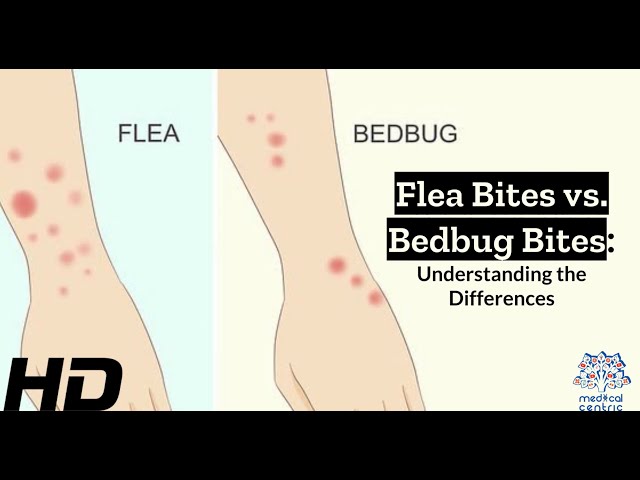
Fleas, tiny wingless insects, are another common source of nighttime bites. These pests often infest homes with pets, but they can also thrive in other environments. Fleas are known for their jumping ability and can bite humans repeatedly, leaving clusters of itchy welts. Regularly treating pets with flea medication and vacuuming carpets and upholstery can help control flea infestations.
Mites, microscopic relatives of spiders, can also cause itchy bites at night. Dust mites, for example, thrive in bedding, carpets, and upholstered furniture, feeding on dead skin cells. While not all mites bite, some species, like bird mites and rodent mites, can infest homes and bite humans. Thorough cleaning and reducing humidity can help control mite populations.
Chiggers, the larval stage of certain mites, are another potential culprit. These tiny pests are often found in grassy or wooded areas and attach themselves to human skin, causing intense itching. Wearing long pants and applying insect repellent can help prevent chigger bites.
Spider bites, while less common than other insect bites, can also occur at night. Most spiders are not aggressive and only bite in self-defense. However, some species, like the brown recluse and black widow, can deliver venomous bites that require medical attention. Keeping the home clean and free of clutter can help deter spiders.
Ticks, while not strictly nocturnal, can attach themselves to humans at night, especially if sleeping outdoors or in areas with tall grass. Ticks are known to transmit diseases like Lyme disease and Rocky Mountain spotted fever. Checking for ticks after spending time outdoors is crucial for preventing tick-borne illnesses.
Bat bugs, close relatives of bed bugs, are another potential source of nighttime bites. These insects primarily feed on bats but may bite humans if their preferred host is unavailable. Bat bugs are similar in appearance to bed bugs and can be difficult to distinguish. Addressing any bat infestations in the home is key to controlling bat bugs.
Kissing bugs, also known as triatomine bugs, are found primarily in the southern United States and Latin America. These insects are attracted to the carbon dioxide exhaled by sleeping humans and often bite around the face. Kissing bugs can transmit Chagas disease, a parasitic infection. Sealing cracks and crevices in the home can help prevent kissing bug infestations.
Finally, head lice, while not strictly nocturnal, can cause itching and discomfort at night. These tiny insects infest the scalp and feed on human blood. Head lice are easily spread through close contact and are most common in children. Treatment typically involves using medicated shampoos and combing out the nits (lice eggs).
Important Points to Consider
-
Proper Identification:
Correctly identifying the biting pest is crucial for effective treatment and prevention. Consult a pest control professional if you’re unsure of the culprit. This ensures the right measures are taken to eliminate the infestation and prevent future occurrences. Accurate identification also helps avoid unnecessary treatments and potential harm to the environment.
-
Environmental Control:
Eliminating potential breeding grounds and hiding places is essential for controlling many biting pests. This might involve removing standing water for mosquitoes, regularly cleaning and vacuuming for fleas and mites, and sealing cracks and crevices for spiders and other insects. Maintaining a clean and organized environment reduces the likelihood of infestations.
-
Protective Measures:
Using insect repellent, wearing long sleeves and pants, and using bed nets can help protect against bites. These preventative measures create a barrier between you and the insects, reducing the chances of being bitten. Choosing the right repellent and ensuring proper coverage is essential for effectiveness.
-
Professional Help:
If you’re struggling to control a biting pest infestation, consider contacting a pest control professional. They have the expertise and tools to effectively eliminate infestations and provide advice on prevention. Professional pest control services can save you time, effort, and potential health risks associated with DIY methods.
-
Regular Inspections:
Regularly inspecting your home for signs of pests can help prevent infestations from becoming established. Early detection allows for prompt treatment and prevents the problem from escalating. Regular inspections should include checking bedding, furniture, pets, and outdoor areas.
-
Pet Care:
Regularly treating pets with flea and tick medication is important for preventing infestations in the home. Pets can carry these pests indoors, where they can quickly multiply and become a nuisance. Consult a veterinarian about the best preventative treatments for your pets.
-
Travel Precautions:
When traveling to areas with known biting pests, take precautions to protect yourself. This might involve using insect repellent, sleeping under a bed net, and wearing appropriate clothing. Researching the specific pests prevalent in your destination can help you prepare accordingly.
-
Medical Attention:
If you experience a severe reaction to a bite, such as difficulty breathing or swelling, seek medical attention immediately. Some bites can transmit diseases or cause allergic reactions. Prompt medical care can prevent complications and ensure proper treatment.
Tips for Preventing Nighttime Bites
-
Keep your bedroom clean and clutter-free:
This reduces hiding places for insects. Regularly vacuuming, dusting, and changing bedding can help eliminate dust mites, fleas, and other pests. Keeping clothes off the floor and stored in sealed containers can also deter insects.
-
Seal cracks and crevices in walls and windows:
This prevents insects from entering your home. Use caulk or weather stripping to seal gaps around windows, doors, and pipes. This creates a barrier against insects and also improves energy efficiency.
-
Use insect repellent:
Apply insect repellent to exposed skin before going to bed, especially during mosquito season. Choose a repellent containing DEET, picaridin, or oil of lemon eucalyptus. Follow the product instructions carefully and reapply as needed.
-
Wash bedding regularly in hot water:
This kills dust mites and other insects that may be present in your bedding. Wash sheets, pillowcases, and blankets in hot water (at least 130F) and dry them on high heat. This helps eliminate allergens and creates a cleaner sleeping environment.
-
Consider using a bed net:
A bed net provides a physical barrier against mosquitoes and other flying insects. Choose a net with fine mesh and ensure it’s properly tucked in around the bed. Bed nets are particularly useful in areas with high mosquito populations or when sleeping outdoors.
Understanding the behavior of nocturnal biting insects is essential for effective prevention. Many of these insects are attracted to light, so minimizing outdoor lighting near bedrooms can help reduce their presence. Additionally, keeping windows and doors closed at night can prevent insects from entering the home. These simple measures can significantly reduce the risk of nighttime bites.
The severity of reactions to insect bites can vary depending on the individual and the type of insect. Some people experience mild itching and redness, while others may develop more severe reactions, such as swelling, hives, or difficulty breathing. If you experience a severe reaction, seek medical attention immediately.
Identifying the specific insect responsible for the bites can be challenging. Examining the bite pattern and location can provide clues. For example, mosquito bites are often isolated and randomly distributed, while flea bites tend to occur in clusters. If you’re unsure of the culprit, consult a pest control professional.
Preventing insect bites is not only about protecting yourself from discomfort but also about preventing the transmission of diseases. Many biting insects can carry pathogens that can cause serious illnesses. Taking preventative measures, such as using insect repellent and eliminating breeding grounds, can help protect your health.
Maintaining a clean and organized home is crucial for preventing insect infestations. Regularly cleaning and vacuuming can help eliminate food sources and hiding places for insects. Storing food properly and disposing of garbage regularly can also deter pests.
Outdoor activities can increase the risk of insect bites. When spending time outdoors, wear long sleeves and pants, use insect repellent, and avoid areas with tall grass or standing water. Checking for ticks after being outdoors is also essential.
Educating yourself about the different types of biting insects and their habits can help you take appropriate preventative measures. Learning to identify the signs of an infestation can also allow for early intervention and prevent the problem from escalating. Resources such as online guides and pest control websites can provide valuable information.
Integrated pest management (IPM) strategies can be effective in controlling biting insect populations. IPM involves using a combination of methods, such as environmental control, biological control, and chemical control, to manage pests in a sustainable and environmentally friendly way.
Frequently Asked Questions
John: I keep getting bitten at night, but I don’t see any bed bugs. What else could it be?
Professional: Several insects bite at night, including mosquitoes, fleas, mites, and spiders. Carefully examine your bites and consider your environment to narrow down the possibilities. A pest control professional can help identify the culprit and recommend appropriate treatment.
Sarah: How can I tell the difference between flea bites and mosquito bites?
Professional: Flea bites tend to occur in clusters, often around the ankles and feet, and are very itchy. Mosquito bites are usually more randomly distributed and may appear as single, raised welts.
Ali: I’ve tried everything to get rid of biting insects in my home, but nothing seems to work. What should I do?
Professional: It’s best to contact a qualified pest control professional. They can assess the situation, identify the pest, and recommend the most effective treatment plan.
Maria: Are there any natural ways to repel biting insects?
Professional: Some natural repellents, like citronella and oil of lemon eucalyptus, can be effective. However, their effectiveness may be limited compared to synthetic repellents. Always follow product instructions carefully.
David: How often should I change my bedding to prevent dust mites?
Professional: Washing bedding weekly in hot water (at least 130F) is recommended to kill dust mites and remove allergens. This helps maintain a cleaner and healthier sleeping environment.
Youtube Video: