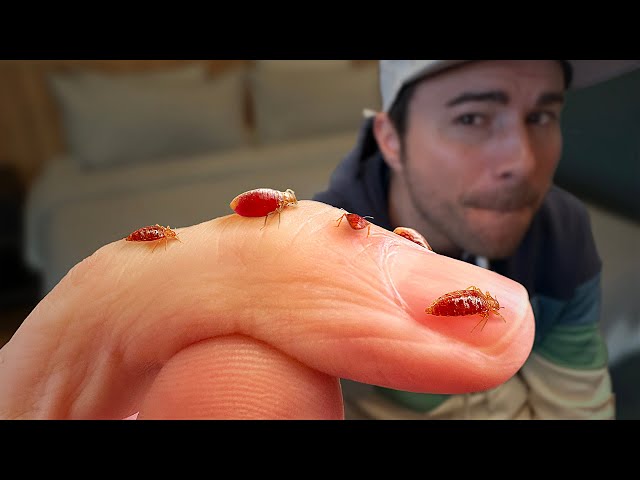
High temperatures are lethal to these tiny pests. Subjecting them to sufficient heat for a long enough duration effectively eliminates them. This method proves particularly useful for items that can withstand high heat, such as bedding, clothing, and certain stuffed toys. However, it’s crucial to understand the specific temperature and time requirements to ensure complete eradication, as simply tossing items in a dryer on a low setting may not be sufficient. Other methods, like chemical treatments, may be necessary for items that cannot tolerate high heat.
will bed bugs die in the dryer heres the truth
High heat is a proven method for killing bed bugs. These pests cannot survive temperatures above 113F (45C). A typical clothes dryer, especially on a high heat setting, can easily reach and maintain these lethal temperatures. This makes using a dryer a viable and effective strategy for eliminating bed bugs from infested items. However, it’s important to note that the heat must penetrate through the entire item to be effective.
The duration of the drying cycle is just as crucial as the temperature. While high heat kills bed bugs relatively quickly, ensuring sufficient penetration throughout the item requires a longer drying time. Thirty minutes on high heat is generally recommended for killing all life stages, from eggs to adults. Larger or thicker items may require longer drying times to ensure the heat reaches the core.
Not all items can tolerate the high heat of a dryer. Delicates, items with rubber or plastic components, and certain fabrics can be damaged by high heat. Always check the care labels before placing any item in the dryer. For items that cannot be dried, alternative treatment methods, such as steaming or freezing, may be necessary.
Proper preparation before drying can enhance the effectiveness of the treatment. Before placing infested items in the dryer, shake them out vigorously outdoors. This helps dislodge any bed bugs hiding in seams or folds, increasing their exposure to the heat. Bagging the items before and after drying can also help prevent further spread.
Combining dryer heat with other treatments can provide a more comprehensive approach. Vacuuming thoroughly before and after drying can remove any remaining bed bugs or eggs. Insecticides, applied according to label instructions, can also be used in conjunction with heat treatment for added protection.
While drying is effective, it’s not a standalone solution for a full-blown infestation. Dryer heat primarily targets bed bugs on infested items. It won’t eliminate bed bugs hiding in mattresses, box springs, furniture, or cracks and crevices in the room. Professional pest control is often necessary for complete eradication.
Regularly drying bedding and clothing on high heat can be a preventative measure. This is particularly helpful for those who travel frequently or live in areas with high bed bug prevalence. It can help eliminate any stray bed bugs that may have been picked up before they have a chance to establish an infestation.
Monitoring for signs of bed bugs is crucial even after heat treatment. Regularly inspect mattresses, bedding, and furniture for live bugs, shed skins, or fecal spots. Early detection can prevent a minor infestation from becoming a major problem.
While drying clothes and bedding at high temperatures is an effective way to kill bed bugs, its important to remember that this method is most effective when used in conjunction with other treatment strategies. A multifaceted approach, often involving professional pest control, is usually necessary for complete eradication.
Important Points to Consider
-
Temperature:
The dryer must reach a temperature of at least 113F (45C) to effectively kill bed bugs. This temperature is typically achieved on a high heat setting. Lower temperatures may not be sufficient to eliminate all life stages, particularly eggs. Ensure the dryer maintains this temperature for the entire duration of the drying cycle.
-
Duration:
A minimum of 30 minutes on high heat is generally recommended. Larger or thicker items may require longer drying times. This ensures that the heat penetrates to the core of the item and kills all bed bugs, regardless of where they are hiding. Insufficient drying time may allow some bed bugs to survive.
-
Item Suitability:
Not all items can withstand high heat. Always check care labels before placing items in the dryer. Delicates, items with rubber or plastic components, and certain fabrics can be damaged by high dryer temperatures. Alternative treatment methods should be considered for these items.
-
Preparation:
Shaking out items vigorously outdoors before placing them in the dryer can help dislodge bed bugs and increase their exposure to the heat. Bagging the items before and after drying can also help prevent the spread of bed bugs to other areas of the home. This containment strategy is crucial for preventing re-infestation.
-
Combined Treatments:
Dryer heat is most effective when used in conjunction with other treatment methods. Vacuuming before and after drying can remove any remaining bed bugs or eggs. Professional pest control services may be necessary for complete eradication, especially for established infestations.
-
Prevention:
Regularly drying bedding and clothing on high heat can be a preventative measure, particularly for frequent travelers or those living in areas with high bed bug prevalence. This practice can help eliminate any stray bed bugs before they have a chance to establish an infestation. It’s a proactive approach to maintaining a bed bug-free environment.
Tips for Using a Dryer to Kill Bed Bugs
-
Use the highest heat setting:
Ensure your dryer reaches and maintains a temperature of at least 113F (45C) for optimal effectiveness. Monitor the dryers temperature if possible to ensure it reaches the required level. This high heat is crucial for killing all life stages of bed bugs.
-
Dry for at least 30 minutes:
This duration ensures sufficient heat penetration, even for thicker items. For larger items like comforters or pillows, consider extending the drying time to 45 minutes or an hour. This extended time guarantees complete eradication.
-
Bag items before and after drying:
This prevents the spread of bed bugs to other areas of your home. Use plastic bags that can be sealed tightly to contain the infested items. This containment measure helps prevent re-infestation.
-
Check care labels:
Not all items can tolerate high heat. Always check the care labels before drying to avoid damaging delicate fabrics or materials. Choose alternative methods for items that cannot withstand high heat, such as steaming or freezing.
-
Combine with other treatments:
Use dryer heat in conjunction with other methods like vacuuming and professional pest control for a more comprehensive approach. This multi-pronged strategy ensures complete eradication and prevents future infestations. Consult a pest control professional for tailored advice.
Understanding the biology of bed bugs is crucial for effective eradication. These nocturnal insects feed on human blood and can survive for extended periods without a meal. They reproduce rapidly, making early detection and treatment essential. Their small size and ability to hide in tiny crevices make them difficult to detect and eliminate.
Bed bugs are adept hitchhikers, often transported via luggage, furniture, or clothing. They can infest homes, hotels, and other spaces where people gather. Regularly inspecting belongings after travel can help prevent infestations. Being vigilant in public spaces can also minimize the risk of bringing bed bugs home.
Identifying bed bug bites can be challenging, as they often resemble other insect bites. The bites typically appear as small, red, itchy welts, often in clusters or lines. However, some individuals may not react to bed bug bites at all. Proper identification of the pests themselves is essential for confirmation.
Early detection is key to preventing a minor infestation from becoming a major problem. Regularly inspect mattresses, bedding, and furniture for signs of bed bugs, including live bugs, shed skins, and fecal spots. Early intervention can significantly reduce the time and effort required for eradication.
Professional pest control services often utilize a combination of methods for effective bed bug treatment. This may include heat treatments, chemical treatments, and targeted vacuuming. Professional expertise is invaluable in identifying the extent of the infestation and developing a tailored treatment plan.
Preventing bed bug infestations requires vigilance and proactive measures. Regularly inspecting belongings after travel, using mattress encasements, and sealing cracks and crevices can help deter these pests. Maintaining a clean and clutter-free environment also reduces potential hiding places.
Dealing with a bed bug infestation can be stressful and time-consuming. It’s important to remain calm and follow a systematic approach to treatment. Seeking professional help can provide peace of mind and ensure effective eradication. Don’t hesitate to reach out to qualified pest control experts.
Public awareness and education play a crucial role in bed bug prevention and control. Understanding the biology and behavior of these pests can empower individuals to take proactive steps to protect themselves and their homes. Sharing information and resources within communities can help minimize the spread of infestations.
Ongoing research continues to explore new and innovative methods for bed bug detection and treatment. This includes developing new insecticides, heat treatment technologies, and biological control strategies. Staying informed about the latest advancements can help individuals make informed decisions about bed bug management.
Frequently Asked Questions
John: How can I tell if I have bed bugs?
Professional: Look for live bugs, shed skins (exoskeletons), fecal spots (small, dark stains), and eggs. These signs are often found in mattress seams, box springs, and furniture crevices.
Sarah: What should I do if I find bed bugs in my hotel room?
Professional: Immediately notify hotel management and request a different room, preferably on a different floor. Inspect your luggage carefully before bringing it home and consider placing it in a dryer on high heat upon returning.
Ali: Can I treat bed bugs myself?
Professional: While some DIY methods can be helpful, bed bugs are notoriously difficult to eradicate completely. Professional pest control is often the most effective solution for established infestations.
Maria: Are bed bugs a sign of uncleanliness?
Professional: No, bed bugs can infest any environment, regardless of cleanliness. They are attracted to human blood and can be transported easily from one place to another.
David: How can I prevent bed bugs when traveling?
Professional: Inspect hotel mattresses and furniture upon arrival. Keep your luggage elevated off the floor and consider using luggage encasements. Wash and dry all clothing on high heat after returning home.
Youtube Video: