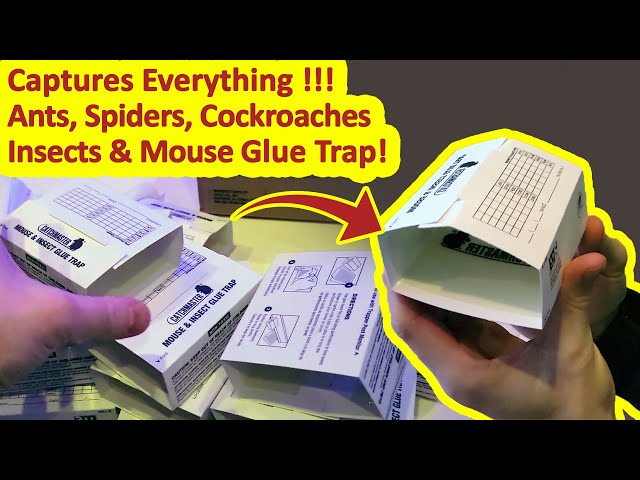
These adhesive-based pest control devices capture crawling insects. They are a non-toxic monitoring and control method effective against a variety of pests. Commonly used in homes, greenhouses, and commercial settings, they provide valuable insights into pest activity levels. Placement is crucial for maximizing their effectiveness.
For instance, placing traps near suspected entry points, like windows and doors, can intercept invaders. Another strategic location is near potential food sources, such as pantries or pet food storage areas, to attract foraging insects. Observing the types and quantity of insects caught helps determine the severity of infestations and guides further pest control strategies.
where to put insect sticky traps
Strategic placement of insect sticky traps is paramount for effective pest control. Consider areas where insects are likely to travel or congregate. This includes areas near potential food sources, points of entry, and along walls or baseboards.
Inspect your home for signs of insect activity, such as droppings or shed skins. These clues can pinpoint high-traffic areas where traps will be most effective. Pay close attention to warm, damp areas, as these are often attractive to many insect species.
In kitchens, place traps near pantries, under sinks, and behind appliances. These locations often harbor food crumbs and moisture, attracting ants, cockroaches, and other pests. Regularly check and replace traps to maintain their effectiveness.
Bathrooms are another prime location for sticky traps due to the presence of moisture. Place traps under sinks, near toilets, and along baseboards to monitor for silverfish, drain flies, and other moisture-loving insects.
Basements and crawl spaces, often damp and dark, can also harbor pests. Placing traps along walls and near potential entry points can help intercept insects before they reach living areas.
For outdoor use, place traps near potential entry points to your home, such as doors and windows. Consider placing them near outdoor lighting, as insects are often attracted to light sources.
In gardens and greenhouses, sticky traps can help monitor and control pest populations that may damage plants. Place traps near susceptible plants or areas where pest activity has been observed.
Regularly monitor the traps and replace them as needed. The frequency of replacement will depend on the level of insect activity. Heavily infested areas may require more frequent trap changes.
By carefully considering placement and regularly monitoring traps, you can effectively utilize sticky traps as part of an integrated pest management strategy.
Important Points to Consider
- Target Pest: Identifying the specific pest you are targeting is crucial. Different insects have different habits and preferences. Knowing the target pest will guide you in choosing the most effective trap type and placement strategy. For example, ant traps should be placed near ant trails, while fly traps are more effective near windows or light sources.
- Placement: Strategic placement maximizes trap effectiveness. Place traps in areas where insects are likely to travel, such as along walls, near entry points, and near potential food sources. Avoid placing traps in areas where they may be disturbed by pets or children.
- Monitoring: Regularly check the traps to monitor insect activity. This allows you to assess the severity of the infestation and adjust your pest control strategy accordingly. Monitoring also helps determine the effectiveness of the trap placement.
- Replacement: Replace traps as they become full or lose their stickiness. The frequency of replacement will depend on the level of insect activity. In areas with high pest pressure, traps may need to be replaced more frequently.
- Safety: When handling sticky traps, exercise caution to avoid getting the adhesive on your skin or clothing. Keep traps out of reach of children and pets. Wash your hands thoroughly after handling traps.
- Integrated Pest Management: Sticky traps are most effective when used as part of an integrated pest management strategy. This may include other methods such as sanitation, exclusion, and targeted pesticide applications.
Tips for Effective Trap Placement
- Consider air currents: Insects often follow air currents, so placing traps near vents or windows can be effective.
Air currents can carry the scents of food and moisture, attracting insects. Placing traps near these air currents can intercept insects as they follow these scents. This is especially important for flying insects, which are more likely to be carried by air currents.
Use multiple traps: Placing multiple traps in strategic locations increases the chances of capturing insects.
Multiple traps create a wider net for capturing insects, especially in larger areas. This is particularly helpful in areas with high pest activity or where insects are coming from multiple entry points. Using a combination of trap types can also be effective.
Keep traps clean: Dust and debris can reduce the effectiveness of sticky traps.
Dust and debris can cover the adhesive surface, making the trap less sticky and less effective at capturing insects. Regularly cleaning the traps or replacing them as needed will ensure optimal performance. This is particularly important in dusty environments like basements or attics.
Understanding insect behavior is key to effective trap placement. Different insects are attracted to different things, so tailoring your approach based on the target pest is essential.
For example, ants are often attracted to sweet substances, so placing traps near potential food sources is a good strategy. Cockroaches, on the other hand, prefer dark, damp areas, so placing traps under sinks or in basements can be effective.
Monitoring trap catches can provide valuable insights into pest activity. By observing the types and numbers of insects caught, you can determine the severity of the infestation and adjust your pest control strategy accordingly.
Sticky traps are a non-toxic pest control method, making them a safe option for homes with children and pets. However, it’s important to place traps out of reach to prevent accidental contact.
Regular cleaning and sanitation practices can help reduce pest infestations. By eliminating food sources and moisture, you can make your home less attractive to insects.
Sealing cracks and crevices in walls and foundations can help prevent insects from entering your home. This is a crucial step in preventing infestations.
For severe infestations, professional pest control services may be necessary. A professional can assess the situation and recommend the most effective treatment plan.
By combining various pest control methods, you can create a comprehensive strategy to effectively manage insect populations in your home and garden.
Remember that patience and persistence are key to successful pest control. It may take time and experimentation to find the most effective trap placement and control methods for your specific situation.
Frequently Asked Questions
John: How often should I replace sticky traps?
Professional: The replacement frequency depends on the level of insect activity. In areas with high pest pressure, traps may need to be replaced weekly or even more frequently. In areas with lower activity, they may last for several weeks or even months. Replace them when they become full of insects or lose their stickiness.
Sarah: Are sticky traps safe for pets?
Professional: While the adhesive itself is generally non-toxic, it can be a nuisance if pets get stuck. Place traps out of reach of pets, or consider using enclosed trap designs specifically designed for pet safety.
Ali: Can I use sticky traps outdoors?
Professional: Yes, sticky traps can be used outdoors. However, they may be less effective in exposed areas due to weather conditions like rain and wind. Consider using weather-resistant traps or placing them in sheltered locations.
Maria: What should I do if I get the adhesive on my skin?
Professional: Vegetable oil or baby oil can help dissolve the adhesive. Apply the oil to the affected area and gently rub until the adhesive comes off. Avoid using harsh chemicals or abrasive materials.
David: Are sticky traps effective against all types of insects?
Professional: Sticky traps are most effective against crawling insects. They are less effective against flying insects, although some specialized fly traps are available. For flying insects, other methods like fly swatters or insect light traps may be more effective.
Lisa: Can I reuse sticky traps?
Professional: No, sticky traps are designed for single use. Once they are full of insects or lose their stickiness, they should be discarded and replaced with fresh traps. Attempting to clean and reuse them is generally not effective.
Youtube Video: