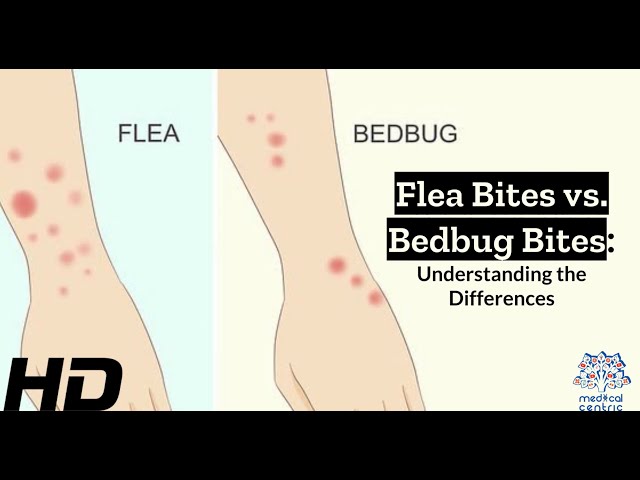
Locations prone to these bites often include areas where skin is exposed during sleep. These pests are attracted to warmth and carbon dioxide, leading them to target exposed areas of the body. Common locations include the face, neck, arms, and hands. Understanding these insects’ habits is crucial for effective prevention and treatment of infestations.
For instance, a person sleeping with their arms uncovered might find bites concentrated on their forearms. Another example is bites clustered around the neck and face, especially if these areas are exposed above the bedcovers. These patterns can help distinguish bed bug bites from other insect bites or skin irritations.
where bed bugs bite you
Bed bugs often target exposed skin, making the face, neck, and arms common areas for bites. These areas are readily accessible while sleeping and offer minimal resistance for the insects to feed. The warmth and carbon dioxide exhaled by sleepers also attract these nocturnal pests. Understanding their feeding habits is key to identifying and addressing an infestation.
Bites can appear in clusters or lines, often mimicking other insect bites or skin conditions. They typically present as small, red, itchy welts. The reaction to these bites varies depending on individual sensitivity, with some people showing no reaction at all. Proper identification is crucial to distinguish them from other skin irritations like mosquito bites or hives.
While bed bugs prefer exposed skin, they can also bite through thin clothing. This means that even areas covered by pajamas might not be entirely protected. The bites are often painless initially but can become increasingly itchy over several days. This delayed reaction can sometimes make it difficult to pinpoint the source of the irritation.
The frequency of bites depends on the severity of the infestation. A larger infestation can lead to more frequent and widespread bites. Its important to note that the presence of bites doesn’t necessarily indicate a lack of cleanliness, as bed bugs can infest even the tidiest homes. They are primarily transported through luggage, furniture, and clothing.
Identifying the specific location of bites can help confirm a bed bug infestation. While bites on the face, neck, and arms are common, bites on other areas of the body are possible, particularly if those areas are exposed during sleep. A thorough inspection of the bed and surrounding areas is necessary to confirm the presence of these pests.
Reactions to bed bug bites can range from mild itching to severe allergic reactions in some individuals. If you experience severe itching, swelling, or other unusual symptoms, seeking medical advice is recommended. Prompt treatment can help alleviate discomfort and prevent secondary infections from scratching.
Early detection and treatment of an infestation are crucial to prevent further bites and the spread of bed bugs. Professional pest control services are often the most effective way to eliminate an infestation completely. They have the expertise and tools to identify and eradicate bed bugs in all stages of their life cycle.
Preventing future bites involves implementing preventive measures such as regularly inspecting bedding, vacuuming frequently, and being cautious when bringing used furniture or luggage into the home. These proactive steps can significantly reduce the risk of encountering these pests and experiencing their irritating bites.
Important Points to Consider
- Inspect Your Bedding: Regularly check your mattress, box spring, and bedding for signs of bed bugs, such as small dark spots (fecal matter), shed skins, or live insects. This is crucial for early detection and preventing a full-blown infestation. Early detection can save you time, money, and discomfort.
- Vacuum Frequently: Thoroughly vacuum your bedroom, paying close attention to areas around the bed, furniture crevices, and baseboards. This helps remove bed bugs and their eggs, disrupting their life cycle. Regular vacuuming is a simple yet effective way to minimize the risk of an infestation.
- Be Cautious with Used Furniture: Carefully inspect used furniture before bringing it into your home. Bed bugs can easily hide in seams and crevices, so a thorough examination is essential. Consider professional cleaning or treatment for used furniture to eliminate any potential risks.
- Travel Precautions: When traveling, inspect hotel rooms for signs of bed bugs. Keep your luggage off the floor and consider using luggage covers. These precautions can help prevent bringing bed bugs home with you after your travels. Be vigilant and take proactive steps to protect yourself and your home.
- Professional Pest Control: If you suspect an infestation, contact a qualified pest control professional. They have the expertise and tools to effectively eliminate bed bugs. Attempting to treat an infestation yourself can be challenging and may not be as effective.
- Identify Bites: Learn to recognize the characteristic signs of bed bug bites, such as small, red, itchy welts often appearing in clusters or lines. This can help differentiate them from other insect bites or skin irritations. Proper identification is key to addressing the issue effectively.
- Treat Bites: Use over-the-counter anti-itch creams or lotions to relieve itching and discomfort caused by bites. Avoid scratching, as this can lead to secondary infections. Consult a doctor if you experience severe reactions or unusual symptoms.
- Encase Your Mattress: Use a mattress encasement specifically designed to prevent bed bugs from infesting or escaping your mattress. This creates a barrier and can help contain an existing infestation. It also makes it easier to monitor for signs of bed bugs.
- Wash Bedding Regularly: Wash all bedding, including sheets, blankets, and pillowcases, in hot water (at least 120F) and dry on high heat for at least 30 minutes. This kills bed bugs and their eggs. Regular laundering is essential for maintaining a bed bug-free environment.
Tips for Dealing with Bed Bug Bites
- Apply a cold compress: A cold compress can help reduce itching and inflammation. Apply it to the affected area for 10-15 minutes at a time. This provides immediate relief and can soothe irritated skin.
- Use over-the-counter anti-itch creams: Hydrocortisone cream or calamine lotion can help relieve itching. Follow the product instructions carefully. These creams are readily available and can provide effective relief.
- Take an antihistamine: Oral antihistamines can help reduce itching and allergic reactions. Consult a pharmacist or doctor for recommendations. Antihistamines can be particularly helpful for those with more sensitive skin.
- Avoid scratching: Scratching can break the skin and increase the risk of infection. Keep your fingernails trimmed short and try to resist the urge to scratch. Covering the bites with a bandage can also help prevent scratching.
- Consult a doctor if symptoms worsen: If you experience severe itching, swelling, or other unusual symptoms, seek medical advice. A doctor can prescribe stronger medications if necessary. They can also rule out other potential skin conditions.
Bed bugs are small, nocturnal insects that feed on human blood. They are typically reddish-brown in color and flat, oval-shaped. These pests can be difficult to spot, as they often hide in crevices and seams of mattresses, box springs, and furniture. Understanding their habits and appearance is crucial for effective identification and control.
Bed bug infestations can occur in any type of dwelling, regardless of cleanliness. They are often transported through luggage, furniture, and clothing. Regularly inspecting these items can help prevent infestations. It’s important to remember that anyone can experience a bed bug infestation.
The bites themselves are typically small, red, and itchy. They often appear in clusters or lines. The reaction to bites varies depending on individual sensitivity. Some people may not react at all, while others experience intense itching and discomfort.
Itching is a common symptom of bed bug bites. Scratching can lead to secondary infections. Over-the-counter anti-itch creams and cold compresses can provide relief. If itching persists or worsens, seeking medical advice is recommended.
Early detection is crucial for effective bed bug control. Regularly inspect your bedding and furniture for signs of bed bugs. Look for small dark spots (fecal matter), shed skins, or live insects. Prompt action can prevent a minor infestation from becoming a major problem.
Professional pest control services are often the most effective way to eliminate bed bugs. They have the expertise and specialized tools to treat infestations thoroughly. Attempting to treat an infestation yourself can be challenging and time-consuming.
Preventing bed bug infestations requires vigilance and proactive measures. Regularly vacuuming, inspecting used furniture, and taking precautions when traveling can significantly reduce the risk of encountering these pests. Implementing these preventative measures can save you from the hassle and discomfort of an infestation.
Bed bugs can be a nuisance, but with proper identification, treatment, and prevention, they can be effectively managed. Understanding their habits and taking proactive steps can help you protect your home and avoid the discomfort of their bites.
If you suspect a bed bug infestation, its important to act quickly. Contact a qualified pest control professional to assess the situation and recommend a course of action. Early intervention is key to preventing the infestation from spreading and minimizing the impact on your home and family.
Protecting yourself and your family from bed bugs requires a combination of vigilance, preventative measures, and professional assistance when needed. By staying informed and proactive, you can effectively minimize the risk of encountering these pests and experiencing their irritating bites.
Frequently Asked Questions
John: How can I tell if I have bed bugs?
Professional: Look for small, red, itchy welts on your skin, often appearing in clusters or lines, especially on areas exposed during sleep. Also check your mattress and bedding for dark spots (fecal matter), shed skins, or live insects.
Sarah: What should I do if I find bed bugs in my home?
Professional: Contact a qualified pest control professional immediately. They have the expertise and tools to effectively eliminate bed bugs. Attempting to treat the infestation yourself can be challenging and may not be successful.
Ali: Are bed bugs a sign of a dirty home?
Professional: No, bed bugs can infest even the cleanest homes. They are typically transported through luggage, furniture, and clothing. Cleanliness does not prevent infestations, but regular cleaning and inspection can help with early detection.
Maria: Can bed bugs transmit diseases?
Professional: While bed bugs can cause itchy bites and discomfort, they are not known to transmit diseases. However, excessive scratching can lead to secondary skin infections.
David: How can I prevent bed bugs when traveling?
Professional: Inspect your hotel room for signs of bed bugs, keep your luggage off the floor and consider using luggage covers. Upon returning home, inspect your luggage and launder your clothes in hot water.
Youtube Video: