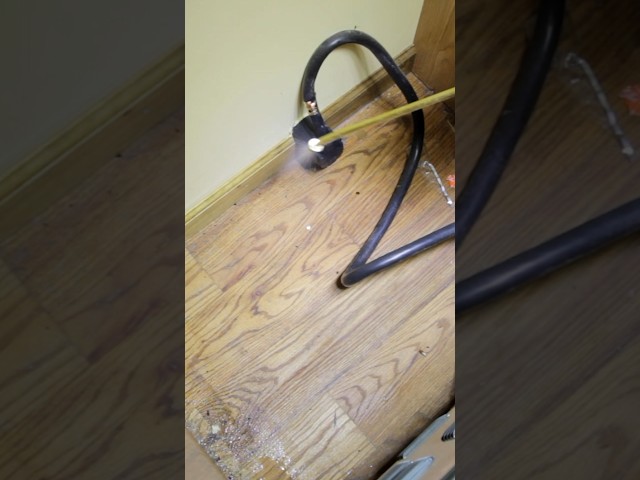
Professional cockroach extermination services utilize targeted applications of insecticides to eliminate infestations. These treatments can involve various methods, from spraying residual insecticides to applying bait gels in strategic locations. The timing and frequency of these treatments depend on the severity of the infestation and the specific type of roach involved. Choosing the right approach requires a thorough inspection and assessment by a qualified pest control technician.
For instance, a severe German cockroach infestation in a restaurant kitchen might require multiple treatments over several weeks, combined with sanitation improvements. Another scenario could involve a homeowner dealing with occasional American cockroaches, where a single treatment focusing on entry points and potential harborage areas might suffice.
when pest control sprays for roaches
The timing of cockroach treatments is crucial for effectiveness. Pest control professionals often prefer to treat during periods of low activity, such as early morning or late evening. This is when roaches are most likely to be exposed to the insecticide. Additionally, treatments may be scheduled around cleaning or other preparations to minimize disruption and maximize impact.
Factors influencing treatment timing include the species of cockroach, the level of infestation, and the specific insecticide used. German cockroaches, for example, reproduce rapidly and require more frequent treatments than larger, slower-breeding species. Heavily infested areas may also necessitate multiple applications to achieve complete control.
The choice of insecticide also plays a role. Some insecticides have a residual effect, meaning they remain active for an extended period, while others offer a quicker knockdown but shorter duration. The pest control professional will select the appropriate insecticide based on the specific circumstances.
Preparation before treatment is often necessary. This might involve removing clutter, cleaning surfaces, and covering food items. These steps help ensure the insecticide reaches the target areas and minimizes exposure to non-target organisms.
Post-treatment instructions are equally important. These may include avoiding certain areas for a specific period, refraining from cleaning treated surfaces immediately, and taking precautions to prevent re-infestation. Following these instructions maximizes the effectiveness of the treatment and protects occupants.
Regular monitoring after the initial treatment is essential to assess the success of the extermination and identify any recurring issues. Follow-up treatments may be necessary in some cases to eliminate remaining roaches or address new infestations.
Integrated pest management (IPM) strategies are increasingly employed for long-term cockroach control. IPM combines chemical treatments with non-chemical methods, such as sanitation, exclusion, and habitat modification, to create a sustainable and effective approach.
Consulting with a qualified pest control professional is the best way to determine the appropriate treatment strategy for any cockroach infestation. They can accurately identify the species involved, assess the severity of the problem, and recommend the most effective course of action.
Important Points to Consider
-
Species Identification:
Accurate identification of the cockroach species is essential for effective treatment. Different species have varying behaviors, harborage preferences, and insecticide susceptibility. Misidentification can lead to ineffective treatments and prolonged infestations. Professionals have the expertise to differentiate between species and tailor treatments accordingly.
-
Infestation Severity:
The extent of the infestation dictates the treatment approach. Minor infestations might be addressed with targeted baiting, while severe infestations may require comprehensive spraying and follow-up treatments. A thorough inspection is necessary to determine the scope of the problem and formulate a suitable plan.
-
Insecticide Selection:
Choosing the right insecticide is crucial for safety and efficacy. Different insecticides have different modes of action, residual properties, and toxicity levels. Professionals consider these factors when selecting an appropriate product for the specific situation, minimizing risks to humans and pets.
-
Preparation and Post-Treatment:
Proper preparation and adherence to post-treatment instructions are essential for successful cockroach control. This includes cleaning, decluttering, and following safety precautions. These steps maximize treatment effectiveness and minimize exposure to insecticides.
-
Integrated Pest Management (IPM):
IPM strategies offer a holistic approach to cockroach control. By combining chemical treatments with non-chemical methods, IPM aims to minimize insecticide use and promote long-term solutions. This approach addresses the root causes of infestations and prevents recurrence.
-
Professional Expertise:
Consulting with a qualified pest control professional is highly recommended. They possess the knowledge, experience, and tools to effectively address cockroach infestations. Professionals can accurately diagnose the problem, develop a customized treatment plan, and provide ongoing monitoring.
-
Safety Considerations:
Insecticide safety is paramount. Professionals are trained in the safe handling and application of insecticides, minimizing risks to occupants and the environment. They follow strict guidelines and regulations to ensure the well-being of all involved.
Tips for Effective Cockroach Control
-
Sanitation:
Maintain a clean environment by regularly cleaning spills, crumbs, and food debris. Empty trash cans frequently and store food in airtight containers. Eliminating food sources deprives roaches of sustenance, making the environment less attractive.
-
Exclusion:
Seal cracks and crevices in walls, floors, and around pipes to prevent roaches from entering. Repair leaky faucets and eliminate standing water, as roaches need moisture to survive. These measures create a barrier against infestation.
-
Moisture Control:
Reduce humidity levels by fixing leaks and ensuring proper ventilation. Roaches thrive in damp environments, so eliminating moisture sources makes the area less hospitable. This can significantly reduce roach activity.
-
Clutter Reduction:
Eliminate clutter and excess storage to reduce harborage areas. Roaches prefer dark, secluded spaces, so decluttering removes potential hiding places. This makes it easier to spot and treat infestations.
Understanding cockroach behavior is crucial for effective control. Roaches are nocturnal insects that prefer dark, warm, and humid environments. They are attracted to food and water sources and can squeeze through tiny cracks and crevices. Knowing their habits helps target treatments effectively.
Different cockroach species exhibit different behaviors and preferences. German cockroaches, for example, are commonly found in kitchens and bathrooms, while American cockroaches prefer basements and sewers. Tailoring treatments to the specific species ensures better results.
Preventative measures are essential for long-term cockroach control. Regular cleaning, proper food storage, and sealing entry points can significantly reduce the risk of infestation. These proactive steps create an environment less conducive to roach activity.
Early detection of cockroach activity is crucial for preventing infestations from becoming established. Regular inspections and monitoring can help identify signs of roach presence, such as droppings, egg cases, or shed skins. Prompt action can prevent the problem from escalating.
Professional pest control services offer expertise and specialized tools for effective cockroach extermination. They can accurately identify the species involved, assess the severity of the infestation, and develop a tailored treatment plan. Their knowledge and experience ensure optimal results.
The use of insecticides should always be done responsibly and according to label instructions. Following safety precautions minimizes risks to humans, pets, and the environment. Professional pest control technicians are trained in the safe handling and application of insecticides.
Integrated pest management strategies offer a sustainable and environmentally friendly approach to cockroach control. By combining chemical treatments with non-chemical methods, IPM minimizes insecticide use and promotes long-term solutions. This holistic approach addresses the root causes of infestations.
Regular communication with a pest control professional is essential for ongoing monitoring and prevention. They can provide guidance on maintaining a roach-free environment and address any recurring issues promptly. This proactive approach ensures long-term control.
Cockroach infestations can have significant health implications. They can contaminate food and surfaces with bacteria and allergens, potentially triggering asthma and other respiratory problems. Effective cockroach control is essential for maintaining a healthy living environment.
The cost of cockroach treatment varies depending on the severity of the infestation, the size of the area to be treated, and the specific methods used. Professional pest control services typically offer free inspections and customized quotes based on individual needs.
Frequently Asked Questions
John: How long does it take for cockroach treatment to work?
Professional: The timeframe for cockroach treatment effectiveness varies depending on the infestation severity, the type of insecticide used, and the cockroach species. Generally, you should see a significant reduction in roach activity within a few days to a week. However, complete eradication may require multiple treatments and ongoing monitoring.
Sarah: Is it safe for my pets during and after cockroach treatment?
Professional: Pest control professionals use insecticides that are safe for pets when applied correctly. However, it’s always best to keep pets away from treated areas during and immediately after application, as specified by the technician. Follow their instructions carefully to ensure your pet’s safety.
Ali: How can I prevent cockroaches from coming back after treatment?
Professional: Preventing re-infestation involves implementing integrated pest management strategies. This includes maintaining a clean environment, sealing entry points, eliminating moisture sources, and storing food properly. Regular monitoring and follow-up treatments, if necessary, are also crucial.
Maria: How often should I have my home treated for cockroaches?
Professional: The frequency of cockroach treatments depends on the specific situation. For preventative maintenance, annual inspections and treatments may suffice. However, if you’ve experienced an infestation, more frequent treatments may be necessary initially, followed by regular monitoring to prevent recurrence.
David: What should I do if I see cockroaches after treatment?
Professional: If you notice cockroach activity after treatment, contact your pest control professional immediately. They can assess the situation and determine if further treatment is necessary. It’s important to address recurring issues promptly to prevent the infestation from re-establishing itself.
Youtube Video: