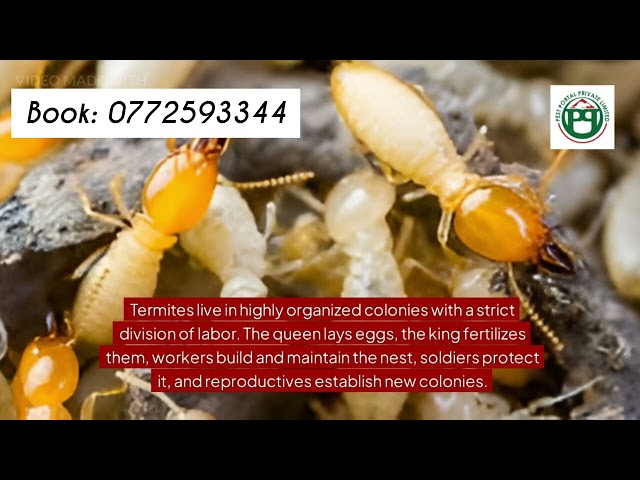
Understanding the appearance and lifecycle of subterranean termite reproductive material is crucial for effective pest management. These elements are key indicators of an active infestation and inform appropriate control strategies. Accurate identification allows for targeted treatments, preventing further structural damage. Differentiating termite eggs from other insect eggs or debris is the first step in confirming and addressing a potential problem.
For example, encountering small, translucent ovals within a termite colony suggests an active reproductive cycle. These delicate structures are typically found near the queen and require specific environmental conditions to hatch. Misidentifying these as other insect eggs can lead to ineffective treatment. Therefore, accurate visual identification is crucial for targeted pest control.
What Does Termite Eggs Look Like
Termite eggs are tiny, translucent, and typically oval-shaped. Their size is generally less than 1mm, making them difficult to see with the naked eye. They are usually found clustered together in a moist, protected area within the colony. The eggs are often white or light cream-colored and can be easily mistaken for other insect eggs or debris.
A termite colony’s location within a structure can influence the visibility of the eggs. Colonies located within walls or underground are less accessible for direct observation. Evidence of termite activity, such as mud tubes or discarded wings, often precedes the discovery of eggs. Therefore, a thorough inspection by a pest control professional is essential for accurate identification and assessment.
The developmental stage of the eggs also affects their appearance. Newly laid eggs are more translucent and gradually become opaque as they mature. The incubation period varies depending on the species and environmental conditions. Understanding this developmental process is crucial for determining the extent of the infestation and implementing appropriate control measures.
Differentiating termite eggs from other insect eggs requires careful observation. Ant eggs, for instance, are smaller and more irregularly shaped. Other insect eggs may have distinct coloration or surface textures. Using a magnifying glass can aid in the identification process and confirm the presence of termite eggs.
The presence of termite eggs indicates an active and reproducing colony. This necessitates immediate action to prevent further structural damage. Ignoring the presence of eggs can lead to a larger, more established infestation that is more difficult to control. Prompt intervention is crucial for mitigating the impact of termite activity.
Effective termite control often involves a multi-pronged approach. This can include the use of liquid termiticides, bait systems, and physical barriers. The specific treatment plan will depend on the extent of the infestation and the specific species involved. Consulting with a qualified pest control professional is recommended for developing a tailored strategy.
Regular inspections are crucial for preventing future termite infestations. These inspections should focus on areas prone to termite activity, such as damp wood and areas with soil contact. Early detection of termite activity can significantly reduce the risk of extensive damage and minimize the need for costly treatments.
Maintaining a dry environment around the structure is also important for deterring termites. Proper drainage, ventilation, and moisture control can create unfavorable conditions for termite colonies. These preventative measures can significantly reduce the likelihood of an infestation.
Important Points to Consider
-
Size and Shape:
Termite eggs are incredibly small, usually less than 1mm in length, and oval-shaped. Their minuscule size makes them challenging to spot without magnification. They are typically clustered together, adding to the difficulty of individual identification. Their translucent, white or cream color also blends in with their surroundings.
-
Location:
Termite eggs are typically found within the colony, close to the queen, in moist, protected areas. These locations are often deep within wood, soil, or within the walls of a structure, making them difficult to access. Finding the eggs requires a thorough inspection by a trained professional.
-
Color and Texture:
The eggs are typically translucent white or cream-colored and have a smooth texture. As they mature, they become slightly more opaque. Differentiating them from other insect eggs or debris requires careful observation and potentially magnification.
-
Indicators of Infestation:
While the eggs themselves are difficult to find, other signs indicate an active infestation. These include mud tubes, discarded wings, and damaged wood. These signs warrant a professional inspection to confirm the presence of a colony and assess the extent of the infestation.
-
Professional Identification:
Due to their small size and hidden location, confirming the presence of termite eggs often requires professional expertise. Pest control professionals have the tools and experience to locate and identify the eggs, providing accurate confirmation of an infestation.
-
Importance of Early Detection:
Early detection of termite activity, including the presence of eggs, is critical for preventing extensive damage. Early intervention allows for more effective treatment and can minimize the cost of repairs. Regular inspections are crucial for early detection.
-
Control Measures:
Several methods are used to control termite infestations, including liquid termiticides, bait systems, and physical barriers. The most effective approach depends on the specific species and the extent of the infestation. A professional can recommend the best course of action.
-
Prevention Strategies:
Preventing termite infestations involves creating an environment that is less conducive to their survival. This includes maintaining proper drainage, reducing moisture around the structure, and removing wood-to-soil contact. These measures can significantly reduce the risk of an infestation.
-
Regular Inspections:
Regular termite inspections are a crucial part of preventative maintenance. These inspections should be conducted by qualified professionals who can identify early signs of termite activity and recommend appropriate preventative measures. Regular inspections can help avoid costly repairs in the future.
-
Professional Consultation:
Consulting with a qualified pest control professional is highly recommended for any suspected termite activity. They can provide accurate identification, assess the extent of the infestation, and recommend the most effective treatment and prevention strategies.
Tips for Identification and Control
-
Use a Magnifying Glass:
Due to their small size, using a magnifying glass can aid in identifying termite eggs. This allows for closer examination of their shape, color, and texture, helping differentiate them from other debris or insect eggs.
-
Look for Other Signs:
If you suspect a termite infestation but cannot locate eggs, look for other signs of activity. Mud tubes, discarded wings, and damaged wood are strong indicators of a termite presence. These signs should prompt a professional inspection.
-
Contact a Professional:
If you suspect a termite infestation, it’s crucial to contact a qualified pest control professional. They have the expertise to accurately identify termite activity, assess the extent of the infestation, and recommend the most effective treatment and prevention strategies. Attempting to treat the infestation yourself can be ineffective and may even worsen the problem.
-
Maintain a Dry Environment:
Termites thrive in moist environments. Reducing moisture around your home by ensuring proper drainage, ventilation, and addressing leaks can help deter termites. This creates an unfavorable environment for them and reduces the likelihood of an infestation.
-
Schedule Regular Inspections:
Regular termite inspections are essential for early detection and prevention. A professional inspection can identify potential problems before they escalate into costly damage. Regular inspections are a cost-effective way to protect your home from termites.
Termites are social insects that live in colonies, with distinct castes performing specific roles. The reproductive caste, including the king and queen, is responsible for producing eggs. These eggs hatch into nymphs, which develop into workers, soldiers, or reproductives. Understanding this social structure is crucial for effective termite control.
Different termite species exhibit varying reproductive rates and colony sizes. Subterranean termites, for example, can have colonies numbering in the millions. Drywood termites, on the other hand, have smaller colonies. The species involved influences the severity and spread of an infestation.
Termites cause significant economic damage worldwide. Their feeding habits can compromise the structural integrity of buildings and other wooden structures. Early detection and control are essential for mitigating this damage and protecting property investments.
Moisture plays a critical role in termite survival and colony establishment. They require a moist environment to thrive and are often found in areas with high humidity or water leaks. Addressing moisture issues is a key component of termite prevention.
Termite control methods have evolved over time, with advancements in termiticides and bait systems. These treatments are designed to eliminate existing colonies and prevent future infestations. Choosing the right treatment strategy requires professional assessment and tailored solutions.
Building codes and regulations often incorporate termite prevention measures. These measures can include pre-treatment of soil and the use of termite-resistant materials. Adhering to these guidelines can significantly reduce the risk of infestation.
Public awareness and education play a vital role in termite control. Understanding the signs of termite activity and the importance of prevention can empower homeowners to take proactive steps to protect their properties. Early detection and prompt action are key to minimizing damage.
Research into termite behavior and control methods continues to advance our understanding of these destructive pests. This ongoing research contributes to the development of more effective and environmentally sound treatment strategies. Staying informed about these advancements can help homeowners make informed decisions about termite control.
Frequently Asked Questions
John: How can I tell the difference between termite eggs and other insect eggs?
Professional: Termite eggs are extremely small, less than 1mm, translucent, and usually clustered together. While ant eggs are also small, they are more irregularly shaped. Other insect eggs may have distinct colors or textures. Due to their size and similarity to other debris, positive identification often requires professional expertise and magnification.
Sarah: I found mud tubes, but no visible termite damage. Does this mean I have an active infestation?
Professional: Mud tubes are a strong indicator of subterranean termite activity. While you may not see visible damage yet, the presence of mud tubes suggests that termites are foraging for food sources within your property. A professional inspection is highly recommended to confirm the presence of a colony and assess the extent of the infestation.
Ali: What is the most effective way to prevent termite infestations?
Professional: Preventing termite infestations involves a multi-pronged approach. Maintaining a dry environment by ensuring proper drainage and ventilation is crucial. Removing wood-to-soil contact, scheduling regular professional inspections, and using termite-resistant materials during construction can significantly reduce the risk of an infestation.
Maria: How long does it take for termite eggs to hatch?
Professional: The incubation period for termite eggs varies depending on the species and environmental conditions, typically ranging from a few weeks to several months. Temperature and humidity play a significant role in the developmental rate. A professional can assess the specific circumstances and provide a more accurate timeframe based on the species involved and local conditions.
David: I’ve treated my home for termites before. How often should I have it inspected to prevent future infestations?
Professional: Annual termite inspections are generally recommended, even after treatment. Regular inspections help ensure that any new activity is detected early, preventing extensive damage. The frequency may vary depending on your location and the specific risks in your area. A pest control professional can recommend an appropriate inspection schedule based on your individual circumstances.
Youtube Video: