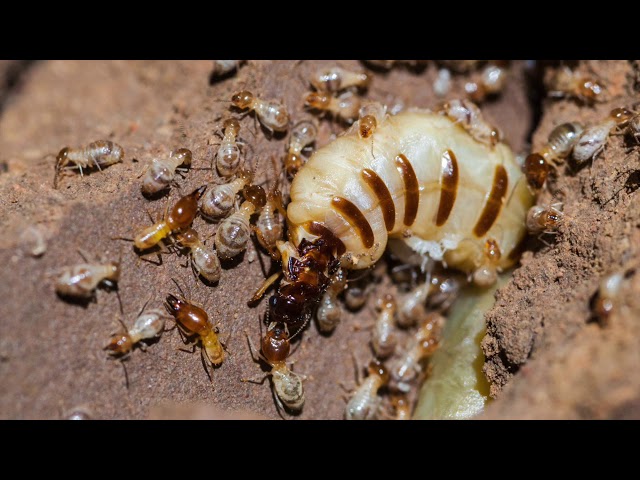
Certain organisms, typically considered nuisances or destructive, exhibit heightened activity during colder months, contradicting the common assumption that pest activity peaks in warmer seasons. This phenomenon occurs because these organisms seek shelter and resources within human-made structures to escape harsh weather conditions. Homes and buildings offer warmth, food sources, and protection from predators, making them attractive havens for overwintering pests. Examples include rodents seeking warmth in attics and insects infiltrating pantries for stored food.
Pests More Active in Winter Than Summer
Rodents, such as mice and rats, are prime examples of pests that become more problematic during winter. As temperatures drop, they seek shelter indoors, gnawing through walls, insulation, and stored food packaging. Their presence not only causes structural damage but also poses health risks due to contamination from their droppings and urine. Moreover, rodents reproduce rapidly, exacerbating infestations if left unchecked.
Certain insects also exhibit increased activity during colder months. Cockroaches, for example, seek refuge in warm, humid areas like kitchens and bathrooms. Their presence can contaminate food and surfaces, spreading bacteria and allergens. Ants, while less active than in summer, may still forage indoors for food crumbs and spills, establishing indoor colonies if conditions are favorable.
Overwintering insects, like cluster flies and lady beetles, often aggregate in large numbers within walls and attics. While generally harmless, their presence can be a nuisance and create unpleasant odors. Their dead bodies can also attract other pests, such as carpet beetles, further complicating the issue.
Spiders, although not technically insects, also seek shelter indoors during winter. While most species are harmless, some, like the brown recluse or black widow, can pose a danger to humans. Their webs can also be unsightly and contribute to a sense of uncleanliness.
Stored product pests, such as pantry moths and weevils, thrive in warm, dry environments, making pantries and cupboards ideal habitats year-round, including winter. These pests infest stored grains, cereals, and other dried goods, causing contamination and food spoilage.
The increased presence of pests in winter can be attributed to the scarcity of food sources outdoors. The freezing temperatures and lack of vegetation force these organisms to seek alternative food sources, often leading them indoors.
The availability of water also plays a role in winter pest activity. While outdoor water sources may freeze, indoor plumbing and leaks provide readily available water for pests, contributing to their survival and proliferation.
The relative warmth and humidity of human-made structures create a microclimate that is conducive to pest survival and reproduction. This controlled environment allows them to thrive even during the harshest winter conditions.
Important Points to Consider
- Rodent Infestations: Rodents, like mice and rats, seek shelter indoors during winter, causing structural damage and posing health risks. They can gnaw through wires, insulation, and stored food packaging, leading to costly repairs and potential fire hazards. Their droppings and urine also contaminate surfaces, spreading diseases and allergens.
- Insect Activity: Cockroaches, ants, and other insects seek warmth and food indoors, leading to infestations. They can contaminate food and surfaces, spreading bacteria and allergens, posing health risks to occupants. Their presence can also be a nuisance and create unpleasant odors.
- Overwintering Pests: Cluster flies, lady beetles, and other overwintering insects aggregate in large numbers within walls and attics. While generally harmless, their presence can be a nuisance and create unpleasant odors. Their dead bodies can also attract other pests, like carpet beetles.
- Spider Intrusions: Spiders seek shelter indoors, building webs and potentially posing a threat depending on the species. While most are harmless, some venomous species can be dangerous. Their webs also contribute to a sense of uncleanliness.
- Stored Product Pests: Pantry moths, weevils, and other stored product pests infest stored food items. They contaminate food and cause spoilage, leading to food waste and potential health issues if consumed.
- Scarcity of Outdoor Food: The lack of available food sources outdoors during winter drives pests indoors. Freezing temperatures and lack of vegetation force them to seek alternative food sources, often found within human dwellings.
- Availability of Water: Indoor plumbing leaks and other water sources provide essential hydration for pests. While outdoor water sources may freeze, indoor water sources remain accessible, supporting pest survival.
- Indoor Microclimate: The warmth and humidity of human-made structures create a favorable microclimate for pests. This controlled environment allows them to thrive even during harsh winter conditions, leading to increased activity and reproduction.
- Preventative Measures: Sealing cracks and crevices, storing food properly, and maintaining cleanliness can deter pests. These preventative measures can significantly reduce the likelihood of infestations and minimize the need for pest control interventions.
Tips for Managing Winter Pests
- Seal Entry Points: Seal cracks and crevices in walls, foundations, and around windows and doors to prevent pests from entering. Use caulk, weather stripping, and steel wool to effectively block access points.
- Store Food Properly: Store food in airtight containers to prevent pests from accessing it. Keep pantries and cupboards clean and free of crumbs and spills.
- Maintain Cleanliness: Regularly clean and vacuum floors, countertops, and other surfaces to eliminate food sources and discourage pest activity. Remove clutter and debris that can provide harborage for pests.
- Manage Moisture: Repair leaks and address any moisture issues to eliminate water sources that attract pests. Ensure proper ventilation in bathrooms and kitchens to reduce humidity.
- Professional Pest Control: Consider contacting a qualified pest control professional for inspections and treatment if infestations persist. They can identify the specific pests involved and implement appropriate control measures.
Winter pest activity can significantly impact the structural integrity of buildings. Rodents, for example, can gnaw through electrical wiring, insulation, and support beams, creating fire hazards and compromising structural stability. These damages can lead to costly repairs and renovations.
The presence of pests can also have a negative impact on indoor air quality. Rodent droppings, insect frass, and other pest-related debris can contribute to allergens and respiratory irritants. This can exacerbate allergies and asthma symptoms, particularly in sensitive individuals.
Pest infestations can lead to food contamination and spoilage, resulting in food waste and potential health risks. Insects and rodents can contaminate food with bacteria, viruses, and parasites, causing foodborne illnesses if consumed.
The psychological impact of pest infestations should not be overlooked. The presence of pests can create stress, anxiety, and a sense of unease among occupants. This can negatively impact mental well-being and quality of life.
Proactive pest management strategies are essential for preventing winter infestations. Regular inspections, preventative treatments, and ongoing monitoring can help minimize the risk of pest problems.
Integrated pest management (IPM) approaches emphasize preventative measures and targeted treatments, minimizing the use of pesticides. This approach is more environmentally friendly and sustainable than traditional pest control methods.
Educating oneself about common winter pests and their behavior is crucial for effective pest management. Understanding their habits, preferred food sources, and entry points can help implement targeted preventative measures.
Consulting with a qualified pest control professional can provide valuable insights and tailored solutions for specific pest problems. They can conduct thorough inspections, identify pest species, and recommend appropriate control strategies.
Frequently Asked Questions
John: Why are some pests more active in the winter when it’s colder?
Professional: While it seems counterintuitive, many pests become more active in winter because they’re seeking refuge from the cold. They’re drawn to the warmth and shelter provided by human-made structures, which offer a more hospitable environment than the harsh outdoor conditions. These structures also often provide readily available food and water sources, further incentivizing pests to seek shelter indoors.
Sarah: How can I tell if I have a winter pest problem?
Professional: Signs of a winter pest infestation can vary depending on the specific pest. Look for droppings, gnaw marks, nests, insect exoskeletons, or actual sightings of pests. Unusual noises, like scratching or scurrying in walls or attics, can also indicate rodent activity. Unexplained damage to food packaging or stored items is another potential sign of pest presence.
Ali: What are some natural ways to deter winter pests?
Professional: Several natural methods can help deter winter pests. These include using essential oils like peppermint or citronella, which repel certain insects. Sealing entry points with natural materials like steel wool can also prevent pest access. Maintaining cleanliness and eliminating food sources are crucial, as is removing standing water and addressing moisture issues. Planting pest-repellent plants around the perimeter of your home can also be a helpful deterrent.
Maria: Is professional pest control necessary for winter infestations?
Professional: While DIY methods can be effective for minor infestations, professional pest control is often necessary for larger or more persistent problems. Pest control professionals have the expertise and tools to identify the specific pest species, determine the extent of the infestation, and implement targeted treatment strategies. They can also offer preventative measures to minimize the risk of future infestations.
Youtube Video: