Controlling various airborne pests in a specific geographic region requires an understanding of their habits, life cycles, and effective mitigation strategies. This involves implementing both preventative measures to deter infestations and reactive solutions to address existing problems. Successful management also considers the specific environment and available resources. A comprehensive approach integrates multiple tactics for optimal results.
For instance, managing house flies might involve eliminating breeding grounds like decaying organic matter while employing traps and screens. Fruit fly infestations, on the other hand, can be controlled by removing overripe produce and using specialized traps. Addressing drain flies often requires cleaning drains and eliminating standing water.
How to Manage the Different Types of Flies in Northern Virginia
Northern Virginia’s climate and environment support a diverse fly population. Effective management begins with proper identification. Knowing the specific type of fly allows for targeted treatment. This reduces unnecessary pesticide use and maximizes effectiveness.
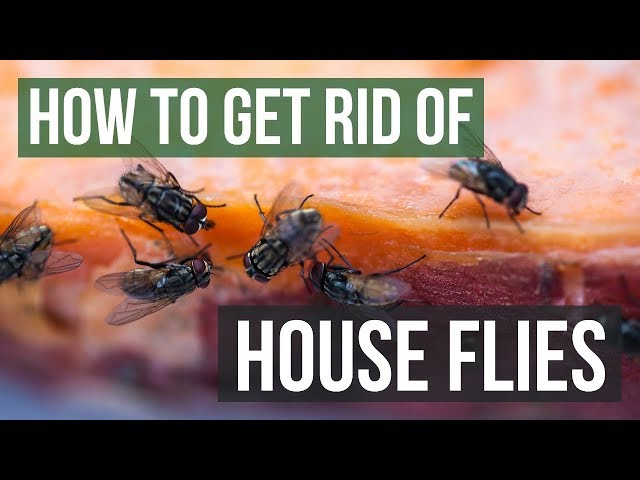
House flies, common throughout the region, breed in decaying organic matter. Regular garbage disposal and maintaining clean outdoor spaces are crucial. Screens on windows and doors prevent entry, while fly traps and swatters offer additional control.
Fruit flies are attracted to fermenting fruits and vegetables. Storing produce properly and promptly discarding overripe items helps prevent infestations. Vinegar traps are effective in capturing these small pests.
Drain flies breed in stagnant water and organic buildup within drains. Regularly cleaning drains with baking soda and vinegar can eliminate breeding sites. Pouring boiling water down drains can also help flush out larvae.
Cluster flies, often found in attics and wall voids during colder months, seek shelter indoors. Sealing cracks and crevices in the home’s exterior can prevent entry. Vacuuming up clustered flies is a non-chemical control method.
Horse flies and deer flies are biting flies common in wooded areas and near livestock. Wearing long sleeves and pants when outdoors can reduce bites. Insect repellents containing DEET are also effective.
Blow flies are attracted to decaying meat and animal carcasses. Proper disposal of pet waste and dead animals is essential for control. Keeping garbage cans tightly sealed also helps deter these flies.
Implementing an integrated pest management approach, combining various control methods, offers the most effective long-term solution for managing flies in Northern Virginia.
Important Points to Consider
-
Proper Identification:
Correctly identifying the fly species is crucial for effective management. Different flies have different breeding habits and attractants. Accurate identification allows for targeted treatments and prevents unnecessary pesticide use. Consulting with a pest control professional can help with identification if needed.
-
Sanitation:
Maintaining a clean environment is paramount in fly control. Regularly removing garbage, cleaning up pet waste, and eliminating standing water removes breeding sites. Proper food storage also helps prevent infestations. This reduces the attractiveness of the environment to flies.
-
Exclusion:
Preventing flies from entering the home is a key preventative measure. Screens on windows and doors, sealing cracks and crevices, and weather stripping around openings can effectively exclude flies. This physical barrier minimizes the need for chemical controls.
-
Traps:
Various types of fly traps are available, targeting specific fly species. Sticky traps, UV light traps, and bait traps can effectively capture flies. Placement of traps is important for maximizing their effectiveness. Regularly checking and emptying traps is essential.
-
Insecticides:
Insecticides can be used to control fly populations, but should be used judiciously. Follow label instructions carefully and choose products specifically designed for the target fly species. Consider the potential impact on the environment and other beneficial insects. Professional pest control services can offer safe and effective insecticide applications.
-
Professional Pest Control:
For severe infestations or persistent problems, consulting a professional pest control service is recommended. Professionals have the expertise and tools to identify the source of the infestation and implement effective control strategies. They can also provide advice on preventative measures. This ensures a safe and comprehensive approach to fly management.
-
Integrated Pest Management (IPM):
IPM combines various control methods for a comprehensive and sustainable approach. This strategy minimizes the use of pesticides while maximizing effectiveness. IPM focuses on prevention, monitoring, and targeted treatments. This approach is environmentally friendly and promotes long-term fly control.
Tips for Managing Flies
-
Keep garbage cans tightly sealed:
This prevents flies from accessing food waste and breeding sites. Regularly cleaning garbage cans also helps reduce odors that attract flies. Using garbage bags with twist ties ensures a secure seal. Consider using a garbage can with a tight-fitting lid.
-
Clean up pet waste promptly:
Pet waste attracts flies and provides a breeding ground for certain species. Regularly cleaning up pet waste in the yard is essential. Dispose of pet waste in sealed bags. This minimizes fly attraction and potential health risks.
-
Remove standing water:
Eliminate sources of standing water, such as puddles, clogged gutters, and birdbaths. These areas can serve as breeding sites for mosquitoes and other flies. Regularly cleaning and emptying containers that hold water is crucial. This prevents the development of fly larvae.
-
Store fruits and vegetables properly:
Store ripe fruits and vegetables in the refrigerator or in sealed containers. This prevents fruit flies from accessing and breeding in them. Promptly discard overripe or decaying produce. This eliminates attractants and breeding sites.
Understanding fly behavior is essential for effective management. Different species are attracted to different substances and have varying breeding habits. This knowledge informs targeted control strategies. Knowing the life cycle of a fly helps determine the most effective intervention points.
Preventative measures are crucial for long-term fly control. Eliminating breeding sites and attractants reduces the likelihood of infestations. Regular cleaning and proper sanitation practices are key. This proactive approach minimizes the need for reactive treatments.
The climate in Northern Virginia can influence fly populations. Warm and humid weather provides ideal breeding conditions. Seasonal variations in fly activity should be considered when implementing control strategies. Adapting management practices to the prevailing weather conditions maximizes effectiveness.
Different fly species can transmit diseases. House flies, for example, can carry pathogens that cause food poisoning. Controlling fly populations helps protect public health. Minimizing contact between flies and food preparation areas is crucial.
Outdoor fly control can be challenging. Targeting breeding sites and using traps can help reduce populations. Maintaining vegetation and removing debris also contributes to a less fly-friendly environment. Consider the impact of control methods on beneficial insects and the environment.
Indoor fly control often involves exclusion and trapping. Sealing entry points and using indoor fly traps can effectively manage populations. Regular cleaning and sanitation practices further reduce fly attraction. This creates a less hospitable environment for flies indoors.
Choosing the right fly control methods depends on the specific situation. The type of fly, the severity of the infestation, and the environment all play a role. Consulting with a pest control professional can provide tailored recommendations. This ensures the most effective and appropriate approach.
Monitoring fly activity helps assess the effectiveness of control measures. Regularly checking traps and observing fly populations provides valuable information. This allows for adjustments to the control strategy as needed. Ongoing monitoring ensures long-term success.
Implementing a comprehensive fly management plan requires a multifaceted approach. Combining preventative measures, targeted treatments, and ongoing monitoring provides the best results. This integrated strategy ensures sustainable and effective fly control in Northern Virginia.
Frequently Asked Questions
John: What are the most common types of flies in Northern Virginia?
Professional: Common flies in Northern Virginia include house flies, fruit flies, drain flies, cluster flies, horse flies, deer flies, and blow flies.
Sarah: How can I prevent flies from breeding in my drains?
Professional: Regularly cleaning drains with baking soda and vinegar, pouring boiling water down drains, and eliminating standing water can help prevent drain fly breeding.
Ali: Are there any natural methods for controlling flies?
Professional: Natural methods include using vinegar traps for fruit flies, planting fly-repelling herbs like basil and mint, and employing beneficial insects like parasitic wasps.
John: When should I contact a pest control professional for fly problems?
Professional: Contact a professional if you have a severe infestation, persistent problems despite DIY efforts, or if you are unsure about the type of fly you are dealing with.
Sarah: Are fly traps safe to use around children and pets?
Professional: While most fly traps are generally safe, it’s important to follow product instructions and place them out of reach of children and pets, especially sticky traps and those containing insecticides.
Youtube Video: