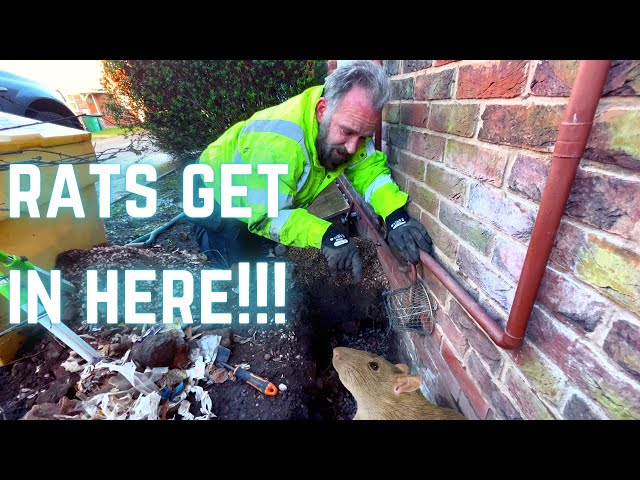
Exterior rodent infestations pose significant health and property risks. These unwelcome guests can damage building structures, contaminate food sources, and spread diseases. Effective management requires a multi-pronged approach that addresses both the immediate issue and underlying causes. This includes eliminating attractants, sealing entry points, and employing appropriate control methods.
For instance, a restaurant might experience increased rodent activity due to improperly stored garbage. A residential building might attract rodents due to overgrown vegetation or readily available pet food left outdoors. In either case, a thorough assessment and targeted interventions are crucial for successful rodent management.
how to address the rat problem outside your building
The first step in addressing an exterior rodent problem is identifying the species involved. Different rodents have different habits and preferences, which will influence the most effective control strategies. Observe droppings, gnaw marks, and runways to help determine the type of rodent present. This information will help you tailor your approach for maximum impact.
Next, conduct a thorough inspection of the building exterior. Look for any cracks, gaps, or holes that could serve as entry points for rodents. Pay close attention to areas around pipes, vents, and foundation walls. Even small openings can provide access for small rodents, so a meticulous inspection is crucial.
Once entry points are identified, they should be sealed using appropriate materials such as steel wool, concrete patching, or hardware cloth. Simply covering holes with wood or plastic is often ineffective, as rodents can easily gnaw through these materials. Durable, rodent-proof materials are essential for long-term success.
Eliminating food and water sources is another critical step. Ensure that garbage is stored in tightly sealed containers and disposed of regularly. Remove any standing water, including puddles, leaky faucets, and clogged gutters. Rodents need access to both food and water to survive, so removing these attractants is key.
Landscaping also plays a role in rodent control. Trim back vegetation that provides cover and easy access to the building. Keep grass short and remove any debris or clutter that could harbor rodents. Creating a clear zone around the building makes it less attractive to these pests.
Trapping can be an effective method for removing rodents. Place traps strategically near active runways and areas where rodent activity has been observed. Use appropriate bait, such as peanut butter, nuts, or dried fruit. Regularly check and empty traps to maintain their effectiveness.
Bait stations containing rodenticides can also be used, but should be placed with caution, especially in areas where children or pets may have access. Follow all label instructions carefully and consider the potential risks before using rodenticides. Professional pest control services may be the best option for safe and effective rodenticide application.
Ongoing monitoring and maintenance are essential for long-term rodent control. Regularly inspect the building exterior for new signs of activity and address any issues promptly. This proactive approach can prevent future infestations and protect your property from rodent-related damage.
Important Points to Consider
-
Species Identification:
Accurate identification of the rodent species is crucial for selecting the most effective control methods. Different species have varying behaviors, food preferences, and sensitivities to different control measures. Misidentification can lead to ineffective treatments and wasted resources. Consult with a pest control professional if you are unsure about the species you are dealing with.
-
Thorough Inspection:
A comprehensive inspection of the building exterior is essential for identifying potential entry points. Inspect all areas, including foundation walls, roofs, vents, and utility lines. Small cracks and gaps can provide access for rodents, so a detailed inspection is crucial for effective control.
-
Effective Sealing:
Sealing entry points with durable materials is essential for preventing rodents from gaining access to the building. Use materials such as steel wool, concrete patching, or hardware cloth. Avoid using materials that rodents can easily chew through, such as wood or plastic.
-
Sanitation:
Maintaining a clean and sanitary environment is crucial for reducing rodent attractants. Properly store and dispose of garbage, remove standing water, and eliminate food debris. Regular cleaning and sanitation practices can significantly reduce the likelihood of rodent infestations.
-
Landscaping Management:
Proper landscaping can help deter rodents from approaching the building. Trim back vegetation, keep grass short, and remove clutter. Creating a clear zone around the building reduces harborage areas and makes it less attractive to rodents.
-
Trapping and Baiting:
Trapping and baiting can be effective methods for removing rodents. Place traps strategically and use appropriate bait. If using rodenticides, follow all label instructions carefully and consider the potential risks to children and pets.
-
Ongoing Monitoring:
Regular monitoring and maintenance are essential for long-term rodent control. Inspect the building exterior for new signs of activity and address any issues promptly. Ongoing vigilance can prevent future infestations and protect your property from rodent-related damage.
Tips for Addressing Rodent Problems
-
Eliminate Clutter:
Remove any piles of wood, debris, or clutter that could provide harborage for rodents. These areas offer protection and nesting sites, making them attractive to rodents. Keeping the area around the building clear and organized can help deter infestations.
-
Secure Trash Cans:
Ensure that all trash cans are tightly sealed and inaccessible to rodents. Use metal or heavy-duty plastic containers with secure lids. Avoid leaving trash bags outside uncovered, as they provide an easy food source for rodents.
-
Store Food Properly:
Store all food, including pet food, in rodent-proof containers. Avoid leaving food out in the open, especially overnight. Proper food storage practices can significantly reduce the likelihood of attracting rodents.
-
Maintain Gutters and Downspouts:
Keep gutters and downspouts clean and free of debris to prevent standing water. Clogged gutters can create breeding grounds for insects, which can attract rodents. Regular maintenance can help prevent this issue.
Rodent infestations can cause significant structural damage to buildings. Their gnawing habits can compromise electrical wiring, insulation, and even support beams. This damage can lead to costly repairs and potential safety hazards. Regular inspections and prompt action are essential for preventing extensive damage.
Rodents can also contaminate food and surfaces with their urine, droppings, and saliva. This contamination can spread diseases such as salmonellosis, leptospirosis, and hantavirus. Protecting food sources and maintaining a clean environment are crucial for minimizing health risks.
The presence of rodents can also create a nuisance and detract from the aesthetic appeal of a property. Droppings, gnaw marks, and the sight of rodents themselves can be unsettling for residents and visitors. Addressing rodent problems promptly can help maintain a clean and welcoming environment.
Professional pest control services can offer expertise and specialized solutions for rodent control. They can conduct thorough inspections, identify the species involved, and implement effective control strategies. Consulting with a professional can save time and ensure a successful outcome.
Community-wide efforts can be effective in controlling rodent populations. Collaboration among neighbors, businesses, and local authorities can help address the issue on a larger scale. Sharing information and coordinating control efforts can maximize impact.
Educating residents and building occupants about rodent control practices can also be beneficial. Providing information about sanitation, landscaping, and proper food storage can empower individuals to take preventative measures. Knowledge is a powerful tool in the fight against rodent infestations.
Implementing a comprehensive rodent control plan requires a multi-faceted approach. Addressing both the immediate issue and the underlying causes is essential for long-term success. Regular monitoring and maintenance are crucial for preventing future infestations.
Rodent control is an ongoing process, not a one-time event. Vigilance and proactive measures are essential for maintaining a rodent-free environment. Regular inspections, prompt action, and preventative measures can help protect your property and the health of its occupants.
By understanding rodent behavior and implementing effective control strategies, you can successfully address rodent problems and maintain a clean, safe, and healthy environment.
Frequently Asked Questions
John: How can I tell if I have a rat problem outside my building?
Professional: Signs of a rat problem include droppings, gnaw marks on wood or plastic, runways along walls or fences, burrows in the ground, and sightings of rats themselves, especially at dawn or dusk. You might also hear scratching or squeaking sounds within walls or ceilings.
Sarah: Are there natural methods for rodent control?
Professional: While some natural repellents like peppermint oil or certain ultrasonic devices are marketed, their effectiveness is often limited and not scientifically proven for long-term control. Focusing on sanitation, exclusion, and trapping is generally more reliable.
Ali: Is it safe to use rodenticides around my pets?
Professional: Rodenticides pose a significant risk to pets if ingested. If you must use them, place them in tamper-resistant bait stations inaccessible to pets and children. Always follow the manufacturer’s instructions carefully and consider consulting a pest control professional for safe application.
Maria: How often should I have my building inspected for rodents?
Professional: Regular inspections, at least annually, are recommended, especially in areas prone to rodent activity. More frequent inspections may be necessary if youve had previous infestations or live in an area with a high rodent population. Regular inspections can catch problems early and prevent larger infestations.
Youtube Video: