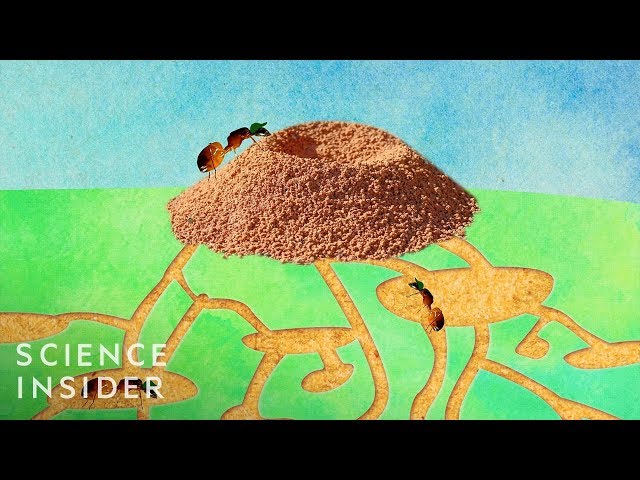
Complex subterranean structures, often marked by mounds of excavated earth, serve as sophisticated insect societies’ hubs. These structures, crucial for colony survival, house intricate networks of chambers and tunnels serving various purposes, from nurseries and food storage to waste disposal. For instance, leafcutter ants cultivate fungus gardens within their nests, while army ants, known for their nomadic lifestyle, form temporary bivouacs using their own bodies. The organization within these structures reflects a complex division of labor, contributing significantly to the ecological roles these insects play.
how are ant hills organized
Ant hills, more accurately termed ant nests, are far more than simple piles of dirt. They represent a marvel of natural engineering, meticulously constructed and organized to support a complex society. Within the seemingly chaotic mound lies a network of tunnels and chambers, each serving a specific purpose, much like the rooms in a human dwelling. The structure of the nest is crucial for the survival and prosperity of the colony, providing shelter, regulating temperature, and facilitating communication.
The entrance to the nest, often a small hole or a series of holes, acts as a gateway to the bustling world below. These entrances can be strategically placed to optimize airflow and defense against predators. Guard ants often patrol these entry points, ensuring only colony members gain access. This security system helps protect the vulnerable brood and maintain the integrity of the colony.
Just below the surface lie chambers dedicated to specific tasks. Some chambers serve as nurseries, housing eggs, larvae, and pupae. These nurseries are meticulously maintained at optimal temperature and humidity levels to ensure the healthy development of the young. Worker ants constantly attend to the brood, moving them to different chambers as needed to regulate their environment.
Deeper within the nest are chambers designed for food storage. These chambers hold collected food resources, such as seeds, insects, and fungal growths, providing sustenance for the entire colony. The organization of these storage chambers is essential for efficient resource management and ensures the colony can survive periods of scarcity.
Waste disposal is another crucial aspect of nest organization. Dedicated chambers, often located at the periphery of the nest, serve as refuse areas. This segregation of waste helps maintain hygiene within the nest, preventing the spread of disease and ensuring a healthy environment for the colony.
The intricate network of tunnels connecting these chambers allows for efficient movement of ants throughout the nest. These tunnels act as highways, facilitating the transport of food, waste, and brood. The smooth flow of traffic within the nest is essential for the colony’s overall functionality.
The queen’s chamber, located deep within the nest, is a heavily protected area where the queen resides. Her sole purpose is to lay eggs, ensuring the continuation of the colony. Worker ants constantly attend to the queen, providing her with food and removing waste.
The depth and complexity of the nest can vary depending on the species of ant and the environment. Some nests extend several meters underground, while others are relatively shallow. The size of the colony also influences the size and complexity of the nest, with larger colonies requiring more extensive structures.
The organization of an ant hill is a testament to the remarkable social structure and cooperative behavior of ants. Their ability to construct and maintain such intricate structures is crucial for their survival and highlights their ecological importance in various ecosystems.
Important Points about Ant Hill Organization
-
Division of Labor:
Ant colonies operate on a strict division of labor, with different castes performing specialized tasks. The queen lays eggs, while worker ants forage for food, care for the brood, and maintain the nest. Soldier ants defend the colony against intruders. This specialization maximizes efficiency and ensures the smooth functioning of the colony.
-
Chamber Specialization:
Different chambers within the nest serve specific functions, such as nurseries, food storage, and waste disposal. This compartmentalization helps maintain order and hygiene within the nest, promoting the health and survival of the colony.
-
Tunnel Networks:
An intricate network of tunnels connects the various chambers, facilitating efficient movement of ants and resources throughout the nest. These tunnels act as highways, ensuring smooth traffic flow within the colony.
-
Environmental Control:
Ants meticulously regulate the temperature and humidity within the nest to create optimal conditions for brood development and food storage. They achieve this through strategic placement of entrances and by moving brood to different chambers as needed.
-
Waste Management:
Designated waste chambers help maintain hygiene and prevent the spread of disease within the nest. This efficient waste management system is crucial for the health and survival of the colony.
-
Security and Defense:
Guard ants patrol entrances and defend the colony against predators and intruders. This security system protects the vulnerable brood and ensures the colony’s safety.
-
Queen’s Chamber:
The queen resides in a heavily protected chamber deep within the nest, where she focuses solely on laying eggs. Worker ants attend to her needs, providing food and removing waste.
-
Adaptability:
The size and complexity of ant nests can vary depending on the species of ant, the size of the colony, and the environment. This adaptability allows ants to thrive in a wide range of habitats.
-
Communication:
Ants communicate primarily through chemical signals called pheromones. These pheromones play a crucial role in coordinating activities within the nest, such as foraging and defense.
-
Ecological Importance:
Ants play vital roles in various ecosystems, including seed dispersal, soil aeration, and nutrient cycling. Their organized nests contribute significantly to their ecological impact.
Tips for Observing Ant Hills
-
Choose the Right Time:
Observe ant hills during warmer months when ants are most active. Early morning or late afternoon are ideal times, as ants are less active during the hottest part of the day. Avoid disturbing the nest, as this can disrupt their activities and potentially harm the colony.
-
Look for Activity:
Observe the entrance(s) of the ant hill for signs of activity, such as ants entering and exiting. Watch the ants’ behavior to gain insights into their tasks and social interactions. Be patient and observant, as ants can be fascinating to watch.
-
Use a Magnifying Glass:
A magnifying glass can provide a closer look at the ants and their activities. Observe the different castes of ants and their specific roles within the colony. This can enhance your understanding of ant behavior and organization.
-
Respect the Environment:
Avoid disturbing the ant hill or its surroundings. Do not use any chemicals or insecticides near the nest, as these can harm the ants and the environment. Responsible observation helps preserve the delicate balance of the ecosystem.
The intricate architecture of ant nests reflects the sophisticated social structure of ant colonies. The division of labor, with different castes performing specialized tasks, contributes to the colony’s overall efficiency and success. This cooperative behavior allows ants to thrive in diverse environments and play vital roles in various ecosystems.
The queen, the central figure in the colony, is responsible for reproduction. Her dedicated chamber provides a safe and protected environment for egg-laying, ensuring the continuation of the colony. Worker ants constantly attend to the queen, providing her with nourishment and removing waste.
The complex network of tunnels and chambers within the nest allows for efficient movement of ants and resources. This intricate infrastructure facilitates the transport of food, waste, and brood, ensuring the smooth functioning of the colony.
Ants play crucial roles in various ecosystems, contributing to seed dispersal, soil aeration, and nutrient cycling. Their organized nests and foraging activities have a significant impact on the surrounding environment.
The ability of ants to regulate the temperature and humidity within their nests is essential for brood development and food storage. This meticulous environmental control ensures the survival and prosperity of the colony.
Ant communication relies heavily on chemical signals called pheromones. These pheromones play a crucial role in coordinating activities within the nest, such as foraging, defense, and nest building.
The size and complexity of ant nests can vary significantly depending on the species of ant and the environment. Some nests are relatively simple, while others extend deep underground, forming complex networks of tunnels and chambers.
Studying ant hill organization provides valuable insights into the remarkable social behavior and adaptability of these insects. Their ability to construct and maintain such intricate structures highlights their evolutionary success.
The next time you encounter an ant hill, take a moment to appreciate the complex world that lies beneath the surface. This seemingly simple mound of earth represents a marvel of natural engineering and a testament to the power of cooperation.
FAQ
John: How long does it take for ants to build a nest?
Professional: The time required to build a nest varies greatly depending on the ant species, colony size, and environmental conditions. Some small nests can be constructed in a matter of days, while larger, more complex nests can take months or even years to develop fully. The continuous excavation and modification of the nest are ongoing processes throughout the colony’s lifespan.
Sarah: What do ants eat?
Professional: Ants have diverse diets, with different species exhibiting varying preferences. Many ants are omnivores, consuming both plant and animal matter. Their diet can include seeds, nectar, insects, fungi, and even small vertebrates. Some ant species, like leafcutter ants, cultivate fungus gardens within their nests as their primary food source.
Ali: How deep can ant nests go?
Professional: The depth of ant nests can vary considerably depending on the species and environment. Some nests are relatively shallow, extending only a few centimeters below the surface. Others, particularly those in arid regions, can reach depths of several meters, providing insulation against extreme temperatures and access to groundwater.
Maria: How many ants live in a single colony?
Professional: Colony size can range from a few dozen individuals to millions of ants, depending on the species. Some ant species form supercolonies that can span vast areas and contain billions of individuals, representing a highly organized and interconnected social structure.
David: Are all ant hills shaped like mounds?
Professional: While the classic image of an ant hill is a mound of earth, not all ant nests are visible above ground. Some species nest under rocks, logs, or in tree cavities, with little or no external evidence of their presence. The shape and structure of the nest are adapted to the specific environment and the needs of the ant species.
Emily: How do ants survive the winter?
Professional: Ants employ various strategies to survive the winter, depending on their geographical location and species. In colder climates, ants enter a state of dormancy or reduced activity during the winter months. They typically move deeper into the nest, where temperatures are more stable, and rely on stored food reserves to survive until spring.
Youtube Video: