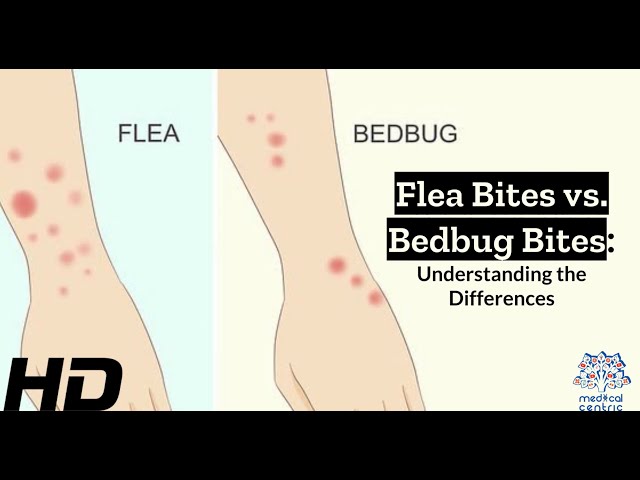
Small, biting insects belonging to various families within the order Diptera can inflict irritating skin reactions. These reactions often manifest as small, red welts accompanied by itching and mild swelling. The severity of the reaction can vary depending on the species of insect and individual sensitivity. Common locations for these bites include exposed skin such as arms, legs, and the neck.
For instance, an individual spending time outdoors during the evening might experience multiple bites on their ankles. Another example could be a gardener noticing itchy bumps on their forearms after working amongst vegetation. These bites can be a nuisance, especially during warmer months when these insects are most active.
gnat bites on humans
Small, winged insects like gnats are often attracted to carbon dioxide and moisture emitted by humans. Their bites are primarily a feeding mechanism, where they pierce the skin to extract small amounts of blood. The saliva injected during the bite often triggers an immune response, resulting in the characteristic itching and inflammation. The reaction can vary from a mild annoyance to a more pronounced discomfort depending on the individual’s sensitivity.
While most gnat bites are harmless, they can occasionally transmit diseases depending on the species and geographical location. It is important to avoid scratching the bites to prevent secondary infections. Various over-the-counter treatments can help alleviate the itching and reduce inflammation. Protecting exposed skin with clothing and insect repellent can also minimize the risk of bites.
Gnats are often found near stagnant water, damp soil, and decaying vegetation. They are particularly active during dawn and dusk. Understanding their behavior and preferred habitats can help individuals take appropriate precautions to avoid being bitten. Keeping outdoor areas clean and free of standing water can help reduce gnat populations.
Different species of gnats have varying biting habits and preferences. Some are attracted to perspiration, while others are drawn to the warmth of the human body. Identifying the specific species involved can be helpful in implementing targeted control measures. Consulting with a pest control professional can be beneficial in cases of persistent infestations.
The reaction to gnat bites can differ significantly among individuals. Some people may experience only mild itching, while others may develop more pronounced swelling and redness. Allergic reactions, although rare, can occur and require medical attention. If symptoms worsen or persist, seeking medical advice is recommended.
Preventing gnat bites involves a combination of personal protective measures and environmental control. Wearing long-sleeved shirts and pants can provide a physical barrier against bites. Using insect repellents containing DEET or other effective ingredients can further deter gnats. Eliminating breeding sites by removing standing water and keeping outdoor areas clean is crucial for long-term control.
Home remedies such as applying a cold compress or a paste of baking soda and water can help soothe the itching associated with gnat bites. Over-the-counter antihistamine creams can also provide relief. Avoiding scratching the bites is essential to prevent infection and further irritation.
In some cases, gnat bites can become infected, leading to complications. Signs of infection include increased pain, swelling, redness, and pus formation. If an infection is suspected, it is important to seek medical attention promptly. A healthcare professional can prescribe appropriate antibiotics or other treatments to address the infection.
Understanding the lifecycle and behavior of gnats is essential for effective control. Gnats undergo a complete metamorphosis, progressing from eggs to larvae, pupae, and finally adults. Targeting the larval stage, which often develops in aquatic environments, can significantly reduce gnat populations. This can involve draining standing water, applying larvicides, or introducing natural predators.
While gnat bites can be a nuisance, they are typically not a cause for serious concern. By taking appropriate preventative measures and addressing bites promptly, individuals can minimize discomfort and avoid potential complications. Maintaining a clean environment and practicing good personal hygiene can significantly reduce the risk of gnat bites.
Important Points Regarding Gnat Bites
-
Species Variation:
Different gnat species exhibit varying biting behaviors and preferences. Some are attracted to human breath, while others target exposed skin. Understanding these variations can help tailor preventative measures. Specific species may also be more prevalent in certain geographic locations or during particular times of the year.
-
Reaction Severity:
Individual reactions to gnat bites can range from mild itching to significant swelling and discomfort. Factors such as individual sensitivity, the number of bites, and the specific gnat species involved can influence the severity of the reaction. Allergic reactions, while rare, can occur and require prompt medical attention.
-
Disease Transmission:
While less common than with mosquitoes, certain gnat species can transmit diseases. This risk is generally higher in tropical regions and depends on the specific species involved. Awareness of potential disease transmission risks in a given area is crucial for taking appropriate precautions.
-
Prevention Strategies:
Preventing gnat bites involves a combination of personal protection and environmental control. Wearing protective clothing, using insect repellents, and eliminating breeding sites are key strategies. Keeping outdoor areas clean and free of standing water can significantly reduce gnat populations.
-
Treatment Options:
Various treatment options are available to alleviate the itching and discomfort associated with gnat bites. Cold compresses, topical antihistamines, and home remedies can provide relief. Avoiding scratching the bites is crucial to prevent secondary infections.
-
Infection Risk:
Scratching gnat bites can introduce bacteria into the wound, leading to secondary infections. Signs of infection include increased pain, swelling, redness, and pus formation. Prompt medical attention is necessary if an infection is suspected.
-
Environmental Control:
Managing gnat populations requires addressing their breeding sites. Eliminating standing water, maintaining proper drainage, and keeping outdoor areas clean can significantly reduce gnat breeding grounds. Consulting with a pest control professional can provide tailored solutions for persistent infestations.
-
Seeking Medical Advice:
While most gnat bites are harmless and resolve on their own, medical advice should be sought if symptoms worsen or persist. Allergic reactions, infections, and unusual symptoms should be evaluated by a healthcare professional. They can provide appropriate diagnosis and treatment.
Tips for Dealing with Gnat Bites
-
Clean the Bite Area:
Wash the affected area with soap and water to remove any dirt or debris. This helps prevent infection and promotes healing. Gently pat the area dry with a clean towel. Avoid rubbing, which can further irritate the skin.
-
Apply a Cold Compress:
A cold compress can help reduce itching and swelling. Wrap a few ice cubes in a clean cloth and apply it to the bite area for 10-15 minutes at a time. Repeat as needed. Avoid applying ice directly to the skin, as this can cause damage.
-
Use Over-the-Counter Treatments:
Topical antihistamine creams or hydrocortisone ointments can provide relief from itching. Follow the product instructions carefully. Oral antihistamines may also be helpful for more widespread itching. Consult a pharmacist or healthcare professional for guidance.
-
Avoid Scratching:
Scratching can break the skin and increase the risk of infection. Keep fingernails trimmed short and try to resist the urge to scratch. Covering the bite area with a bandage can help prevent scratching. Distracting oneself with other activities can also be helpful.
-
Home Remedies:
Some home remedies, such as applying a paste of baking soda and water or a slice of onion to the bite, may provide relief. However, their effectiveness varies. If irritation persists or worsens, discontinue use and consult a healthcare professional. Always test home remedies on a small area of skin first to check for any adverse reactions.
Gnats are small, flying insects found worldwide, and while many species are harmless, some can bite humans, causing localized skin reactions. These reactions are typically mild and resolve within a few days. However, understanding the factors that attract gnats can help individuals minimize their exposure. Environmental modifications, such as eliminating standing water and maintaining proper sanitation, can significantly reduce gnat populations.
Different gnat species have varying breeding habits and preferred habitats. Some breed in decaying organic matter, while others thrive in moist soil or stagnant water. Identifying the specific species present in a particular area can help target control efforts effectively. Consulting with a pest control professional can be beneficial in cases of persistent infestations.
The lifecycle of a gnat typically involves four stages: egg, larva, pupa, and adult. The larval stage is often aquatic, making water management a crucial aspect of gnat control. Targeting the larval stage can significantly reduce the adult population and minimize the risk of bites. Understanding the gnat lifecycle can inform effective control strategies.
While gnat bites are usually a minor nuisance, they can be more problematic for individuals with sensitive skin or allergies. In such cases, reactions can be more severe and require medical attention. Prompt treatment and preventative measures can minimize discomfort and prevent complications. Consulting with a dermatologist or allergist can be helpful for individuals with sensitivities.
Protecting oneself from gnat bites involves a multi-pronged approach. Wearing protective clothing, using insect repellents, and avoiding peak gnat activity times can significantly reduce exposure. Creating physical barriers, such as window screens, can also prevent gnats from entering indoor spaces. Maintaining a clean environment can further minimize gnat populations.
The impact of gnat bites on human health is generally minimal. However, in some cases, bites can become infected, leading to more serious complications. Prompt treatment of infected bites is crucial to prevent further issues. Seeking medical attention for infected bites is essential to ensure proper care and prevent complications.
Research on gnat behavior and control methods is ongoing. Scientists are constantly exploring new and more effective ways to manage gnat populations and minimize their impact on humans. Staying informed about the latest research and advancements can help individuals implement the most effective preventative and control measures.
Community-level efforts can play a significant role in gnat control. Public education campaigns, environmental modifications, and collaborative efforts can help reduce gnat populations and protect public health. Working together as a community can create a healthier and more comfortable environment for everyone.
Gnats are a natural part of the ecosystem and play various roles, including pollination and decomposition. While their bites can be annoying, it’s important to approach gnat control in a balanced and environmentally responsible manner. Integrated pest management strategies, which combine various control methods, can help minimize the negative impacts of gnats while preserving the ecological balance.
Frequently Asked Questions
John: How long do gnat bites typically last?
Professional: The itching and swelling associated with gnat bites usually subside within a few days. However, individual reactions can vary, and some people may experience symptoms for a longer period.
Sarah: Are there any natural remedies for gnat bites?
Professional: Applying a cold compress or a paste of baking soda and water can help soothe the itching. Some people also find relief from applying aloe vera gel or a slice of onion to the bite area.
Ali: When should I seek medical attention for a gnat bite?
Professional: Seek medical attention if you experience severe swelling, intense itching, signs of infection (such as increased pain, redness, or pus), or if you develop an allergic reaction.
Maria: How can I prevent gnat bites when spending time outdoors?
Professional: Wear long-sleeved shirts and pants, use insect repellent containing DEET or other effective ingredients, and avoid areas with standing water or damp vegetation. Consider using mosquito netting or fans to create a barrier.
David: What attracts gnats to humans?
Professional: Gnats are attracted to carbon dioxide, body heat, moisture, and certain scents, including perfumes and lotions. Dark clothing can also attract some species.
Emily: Can gnats transmit any diseases?
Professional: While less common than with mosquitoes, certain gnat species can transmit diseases, particularly in some tropical regions. It is important to be aware of the specific risks in your area.
Youtube Video: