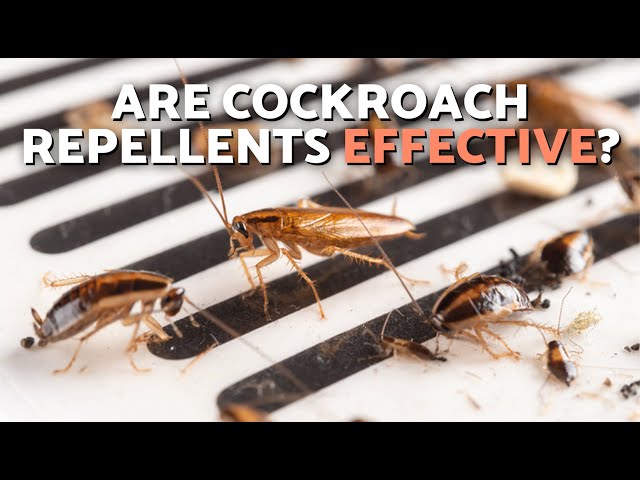
These insects are known to emit distinct odors, particularly when their populations are large or when they are disturbed. The smell often described as musty, oily, or even sweet, is a result of chemical compounds they produce. These compounds serve various purposes, including communication and attracting mates. Understanding the nature of these odors can be crucial in identifying and managing infestations.
do cockroaches smell
Cockroaches rely on their sense of smell for various essential functions. They use pheromones to communicate with each other, find food sources, and locate potential mates. These chemical signals play a critical role in their survival and reproduction. Disrupting these chemical pathways can be a key strategy in controlling infestations.
The olfactory receptors of cockroaches are highly sensitive, allowing them to detect even faint traces of attractive odors. This sensitivity makes them particularly adept at finding food and water in various environments. Their ability to detect food odors from a distance contributes to their success as scavengers. This keen sense of smell also makes them vulnerable to certain traps and baits that exploit their attraction to specific scents.
The characteristic “cockroach smell” is often associated with large infestations. As cockroach populations grow, the concentration of their pheromones and other secretions increases, leading to a more noticeable odor. This odor can permeate furniture, walls, and other porous materials, making it difficult to eliminate. Thorough cleaning and sanitation are essential to remove the source of the smell and prevent re-infestation.
The specific odor produced by cockroaches can vary depending on the species. German cockroaches, for instance, are often associated with a musty odor, while American cockroaches may produce a more oily or greasy smell. Understanding these differences can be helpful in identifying the type of infestation and tailoring treatment strategies accordingly. Correct identification ensures the most effective control methods are employed.
The presence of a cockroach smell is often an early indicator of an infestation. Even if the insects themselves are not readily visible, the odor can serve as a warning sign. Prompt action is crucial in preventing the infestation from spreading and becoming more difficult to manage. Early detection can significantly reduce the time and effort required for effective treatment.
Cockroach odors can also trigger allergic reactions in some individuals. The proteins present in their saliva, feces, and shed skin can become airborne and cause respiratory problems or skin irritation. Proper ventilation and cleaning are essential in minimizing exposure to these allergens. Individuals with known sensitivities should take extra precautions when dealing with potential infestations.
Professional pest control services often utilize specialized products that target the olfactory senses of cockroaches. These products may contain pheromone-based attractants or repellents that disrupt their communication and foraging behaviors. Consulting with a qualified pest control professional can provide tailored solutions for specific infestation situations. Professional expertise ensures the safe and effective application of control measures.
Maintaining a clean and sanitary environment is crucial in preventing cockroach infestations and minimizing odors. Regularly cleaning food preparation areas, removing food debris, and sealing cracks and crevices can help deter these pests. Proper sanitation practices also reduce the availability of food sources, making the environment less attractive to cockroaches.
Understanding the role of smell in cockroach behavior is essential for effective pest management. By recognizing the odors they produce and the factors that contribute to their intensity, individuals can take proactive steps to prevent and control infestations. This knowledge empowers individuals to create and maintain environments that are less hospitable to these pests.
Important Points about Cockroach Odor
-
Source of the Smell:
The smell comes from pheromones, feces, and secretions produced by cockroaches. These substances contain volatile organic compounds that contribute to the musty, oily, or sometimes sweet odor. The intensity of the smell often correlates with the size of the infestation. Understanding the source of the smell is crucial for effective control.
-
Indication of Infestation:
A persistent, unusual odor, particularly in kitchens or bathrooms, can be a sign of a cockroach infestation. Even if cockroaches aren’t visible, the smell can be an early warning. Prompt inspection and action are crucial to prevent the infestation from growing.
-
Health Implications:
Cockroach odors can trigger allergies and asthma in sensitive individuals. Their droppings and shed skin contain allergens that can become airborne. Maintaining a clean environment and addressing infestations promptly can help mitigate these health risks.
-
Species Variation:
Different cockroach species can produce slightly different odors. German cockroaches, for example, are often associated with a musty smell, while American cockroaches might have a more oily odor. Identifying the species can help determine the most effective treatment strategy.
-
Impact on Property:
The persistent odor can permeate porous materials like wood and fabric, affecting furniture, clothing, and even walls. This can lead to a lingering smell even after the infestation is eliminated, requiring thorough cleaning and sometimes professional remediation.
-
Attraction and Communication:
Cockroaches use their sense of smell to find food, mates, and communicate with each other. Understanding this behavior can help in developing effective traps and baits that exploit their olfactory senses.
-
Prevention and Control:
Maintaining cleanliness, sealing cracks and crevices, and properly storing food are essential for preventing cockroach infestations and minimizing odors. Regular cleaning removes food sources and disrupts their pheromone trails, making the environment less attractive.
Tips for Dealing with Cockroach Odor
-
Deep Cleaning:
Thoroughly clean all affected areas with a strong detergent and disinfectant. Pay special attention to kitchens, bathrooms, and areas where food is stored or prepared. This removes food debris and cockroach feces, which contribute to the odor. Regular cleaning is essential for maintaining a cockroach-free environment.
-
Ventilation:
Increase ventilation by opening windows and using fans to circulate fresh air. This helps dissipate the odor and reduce the concentration of airborne allergens. Proper ventilation is especially important in areas where cockroach activity has been detected.
-
Baking Soda:
Sprinkle baking soda in affected areas to absorb odors. Baking soda is a natural deodorizer that can help neutralize the unpleasant smell. Leave it for a few hours before vacuuming it up.
-
Vinegar:
A solution of vinegar and water can be used to clean surfaces and neutralize odors. Vinegar is a natural cleaning agent and disinfectant that can help eliminate cockroach pheromones. It also helps deter cockroaches from returning.
-
Professional Pest Control:
If the odor persists or you suspect an infestation, contact a qualified pest control professional. They can identify the source of the problem and implement effective treatment strategies. Professional pest control services often have access to specialized products and techniques that are not available to the general public.
Cockroaches are nocturnal insects, preferring dark and secluded environments. They are attracted to warm, humid areas and are often found in kitchens, bathrooms, and basements. Their flattened bodies allow them to squeeze into narrow cracks and crevices, making them difficult to detect and eliminate. Understanding their preferred habitats is crucial for effective pest control.
Cockroaches are omnivores, feeding on a wide variety of organic matter. They are attracted to food debris, crumbs, and even pet food. Proper food storage and regular cleaning are essential in preventing infestations. Eliminating food sources makes the environment less hospitable to these pests.
Cockroaches can reproduce rapidly, with females laying multiple egg cases containing numerous eggs. This rapid reproduction cycle allows their populations to grow quickly, making early detection and intervention crucial. Prompt action can prevent infestations from becoming overwhelming.
Cockroaches are known carriers of various pathogens, including bacteria and viruses. They can contaminate food and surfaces, posing a health risk to humans. Maintaining a clean environment and controlling infestations are essential for protecting public health. Proper sanitation practices minimize the risk of disease transmission.
Cockroaches have adapted to survive in a wide range of environments. They are resilient creatures, capable of withstanding harsh conditions and even surviving for weeks without food. Their adaptability makes them challenging to eradicate, requiring comprehensive and persistent control measures. Integrated pest management strategies are often the most effective approach.
Cockroaches play a role in the ecosystem as decomposers, breaking down organic matter. However, their presence in human environments poses significant health and sanitation risks. Balancing their ecological role with the need for pest control requires careful consideration and targeted interventions. Effective pest management strategies aim to minimize negative impacts while preserving ecological balance.
Different cockroach species exhibit varying levels of tolerance to insecticides. Overuse of certain chemicals can lead to resistance, making control more challenging. Integrated pest management strategies that combine multiple control methods are often more sustainable and effective in the long run. These strategies reduce the risk of resistance development.
Cockroach infestations can be a source of stress and anxiety for homeowners and businesses. The presence of these pests can be unsettling and impact quality of life. Seeking professional help can provide peace of mind and effective solutions for managing infestations. Professional pest control services can address the issue quickly and efficiently.
Public awareness and education play a crucial role in preventing and controlling cockroach infestations. Understanding their biology, behavior, and the importance of sanitation can empower individuals to take proactive steps to protect their homes and businesses. Community-based programs can promote best practices and facilitate effective pest management strategies.
Frequently Asked Questions
John: I smell something musty in my kitchen, could it be cockroaches?
Professional: Yes, a musty odor, especially in warm, humid areas like kitchens, can be a sign of a cockroach infestation. It’s important to inspect for other signs, such as droppings or shed skin, and consider contacting a pest control professional for an assessment.
Sarah: How can I get rid of the cockroach smell after the infestation is gone?
Professional: Thorough cleaning with a strong detergent and disinfectant is crucial. You can also use baking soda to absorb odors and vinegar to neutralize them. For persistent odors, professional cleaning or ozone treatment might be necessary.
Ali: Are cockroach allergies common?
Professional: Yes, cockroach allergies are relatively common, especially in urban areas. Their droppings and shed skin contain allergens that can trigger asthma attacks and other respiratory problems. Controlling infestations and maintaining a clean environment are crucial for minimizing exposure.
Maria: What’s the best way to prevent cockroaches in the first place?
Professional: Prevention involves regular cleaning, proper food storage, sealing cracks and crevices, and eliminating sources of moisture. Regularly emptying trash, cleaning spills promptly, and storing food in airtight containers are key preventative measures.
Youtube Video: