Newly hatched bed bugs, often called nymphs, are capable of feeding on human blood. These tiny insects, barely visible to the naked eye, require blood meals to grow and molt into adults. Similar to adult bed bugs, nymphs possess piercing mouthparts used to extract blood, leaving behind itchy welts as a common sign of their activity.
For instance, a recently hatched nymph might bite a sleeping person, leaving a small, red mark. Another example could be multiple nymphs feeding in a localized area, resulting in a cluster of bites resembling a rash. These bites can cause discomfort and disruption to sleep.
do baby bed bugs bite
Nymphal bed bugs, though smaller than adults, are equipped to bite humans. Their bites are often less noticeable initially due to their smaller size and the lesser amount of saliva injected. However, these bites can still cause skin irritation and allergic reactions in some individuals. The frequency of bites depends on the infestation level and the availability of a host.
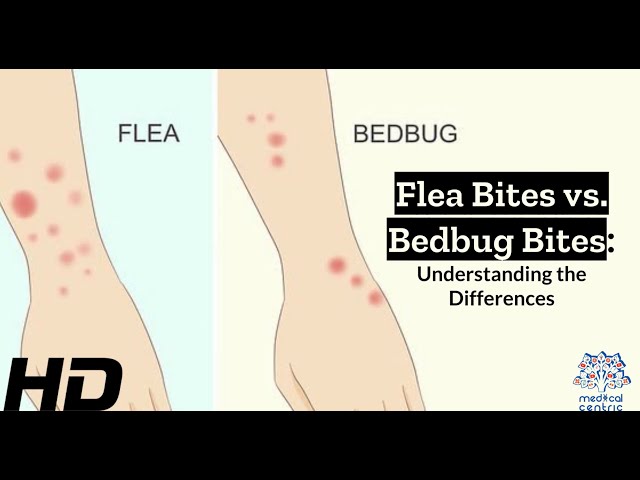
Identifying bites from young bed bugs can be challenging. They often appear as small, red, itchy bumps. These bumps might be mistaken for other insect bites, such as mosquito bites or flea bites. Careful examination of the surrounding area for signs of bed bug activity, such as fecal spots or shed skins, can help confirm the source of the bites.
The development of a nymph into an adult requires multiple blood meals. Each blood meal triggers a molting process, where the nymph sheds its skin and grows larger. The time between molts and the overall development time can be influenced by factors like temperature and food availability.
Just like adult bed bugs, nymphs are primarily active at night. They emerge from their hiding places to seek a blood meal. During the day, they tend to conceal themselves in cracks and crevices in mattresses, furniture, and other areas near their host.
The reaction to bed bug bites varies from person to person. Some individuals may experience intense itching and develop large welts, while others may show minimal reaction. Scratching the bites can increase the risk of secondary infections.
Controlling a bed bug infestation requires a multi-pronged approach. This includes thorough cleaning of infested areas, vacuuming, and the use of insecticides. Professional pest control services are often recommended for effective elimination.
Preventing bed bug infestations involves vigilance when traveling and bringing used furniture into the home. Regularly inspecting mattresses and bedding for signs of bed bugs can help detect infestations early.
Early detection and treatment of bed bug infestations are crucial to prevent the population from growing and spreading. Ignoring the problem can lead to a more extensive and difficult-to-manage infestation.
Important Points about Bed Bug Bites
- Nymphs require blood meals: Baby bed bugs, or nymphs, need blood meals just like adults to survive and develop. These blood meals are essential for their growth and molting process, allowing them to progress through the various nymph stages until they reach adulthood. Without access to a blood meal, nymphs will not be able to mature.
- Bites can be itchy: Bites from young bed bugs can cause itching and discomfort, similar to adult bites. The saliva injected during feeding can trigger an allergic reaction in the skin, resulting in redness, swelling, and itching. The intensity of the reaction can vary depending on individual sensitivity.
- Identification can be difficult: Distinguishing nymph bites from other insect bites can be challenging. They often appear as small, red bumps, which can be easily mistaken for mosquito bites or other skin irritations. Confirmation of bed bug activity requires a thorough inspection for other signs like fecal stains or shed skins.
- Nocturnal feeding habits: Like adult bed bugs, nymphs are primarily nocturnal feeders. They emerge from their hiding places during the night to seek a blood meal from a sleeping host. During the day, they retreat to their harborages, making them difficult to spot.
- Multiple bites are common: Finding multiple bites in a localized area is a common indicator of bed bug activity. Nymphs, as well as adults, can feed multiple times in a single night, resulting in clusters of bites, often in a line or zigzag pattern.
- Professional help is often needed: Eradicating a bed bug infestation can be challenging and often requires professional pest control services. Professionals have the expertise, equipment, and knowledge of effective treatment methods to eliminate bed bugs at all life stages, including nymphs and eggs.
- Prevention is key: Taking preventative measures can significantly reduce the risk of bed bug infestations. This includes being cautious when traveling, inspecting used furniture before bringing it home, and regularly checking mattresses and bedding for signs of bed bugs.
- Early detection is crucial: Early detection of a bed bug infestation is essential for effective treatment. Addressing the problem early can prevent the population from growing and spreading, making eradication easier and less costly.
- Reactions vary: The reaction to bed bug bites varies from person to person. Some individuals may experience no visible reaction, while others may develop significant itching, redness, and swelling. Sensitivity to the bed bug saliva plays a role in the severity of the reaction.
Tips for Dealing with Bed Bug Bites
- Avoid scratching: Scratching bed bug bites can exacerbate the itching and increase the risk of secondary infection. Resist the urge to scratch and apply topical anti-itch creams or lotions to alleviate the discomfort.
- Clean the bites: Washing the affected area with soap and water can help reduce irritation and prevent infection. Gently cleanse the bites and avoid harsh scrubbing, which can further irritate the skin.
- Apply anti-itch remedies: Over-the-counter anti-itch creams and lotions containing hydrocortisone can help soothe the itching and reduce inflammation. Follow the product instructions and consult a doctor if the itching persists or worsens.
- Consult a doctor if needed: If the bites become infected or the itching is severe, seek medical advice. A doctor can prescribe stronger anti-itch medications or antibiotics if necessary to address the symptoms and prevent complications.
Bed bugs are small, parasitic insects that feed on the blood of humans and animals. They are typically reddish-brown in color and have flat, oval-shaped bodies. Bed bugs are primarily active at night and hide in cracks and crevices during the day. Their bites can cause itching, redness, and swelling.
Identifying a bed bug infestation requires careful inspection. Look for signs of bed bugs, such as live insects, shed skins, fecal spots, and bloodstains on bedding. Check mattresses, box springs, bed frames, and surrounding furniture for any signs of activity. Early detection is crucial for effective treatment.
Treating a bed bug infestation can be challenging. Professional pest control services are often recommended for effective eradication. Treatment methods may include insecticides, heat treatments, and vacuuming. Thorough cleaning and decluttering are also essential to eliminate hiding places.
Preventing bed bug infestations requires vigilance. Be cautious when traveling and bringing used furniture into the home. Inspect hotel rooms for signs of bed bugs before settling in. Check secondhand furniture carefully before purchasing it.
Bed bugs can be a nuisance and cause significant discomfort. Their bites can disrupt sleep and lead to skin irritation. Prompt treatment and preventative measures are essential to manage bed bug infestations and minimize their impact.
The life cycle of a bed bug consists of several stages, including egg, nymph, and adult. Nymphs go through multiple molts before reaching adulthood. The time it takes for a bed bug to develop from egg to adult depends on factors such as temperature and food availability.
Bed bugs can hide in various places, including mattresses, box springs, bed frames, headboards, furniture, cracks in walls, and electrical outlets. They are adept at concealing themselves in small crevices, making them difficult to detect.
The impact of bed bugs goes beyond physical discomfort. They can cause emotional distress, anxiety, and sleep disturbances. The stigma associated with bed bugs can also make people hesitant to report infestations.
Public awareness and education about bed bugs are crucial. Understanding the signs of bed bug activity, prevention methods, and treatment options can help individuals protect themselves and their homes from infestations.
Research on bed bug biology and behavior is ongoing. Scientists are exploring new methods for detecting, controlling, and preventing bed bug infestations. This research is essential for developing more effective strategies for managing these pests.
Frequently Asked Questions
John: How can I tell if I have baby bed bugs?
Professional: Identifying baby bed bugs, or nymphs, can be tricky due to their small size. They are translucent or whitish-yellow, becoming more reddish-brown after feeding. Look for tiny, dark spots (fecal matter) or shed skins near bedding or furniture. If you suspect an infestation, it’s best to consult a pest control professional for confirmation.
Sarah: What should I do if I find baby bed bugs in my home?
Professional: If you find baby bed bugs, it’s highly likely you have an established infestation. Contact a qualified pest control professional immediately. Attempting to treat the infestation yourself can often make the problem worse. A professional can assess the situation and recommend the most effective treatment strategy.
Ali: Are baby bed bug bites worse than adult bites?
Professional: Not necessarily. Both baby and adult bed bugs bite to feed on blood. The reaction to the bites varies from person to person, depending on individual sensitivity. Some people may not react to bites at all, while others may experience itching, redness, and swelling. The severity of the reaction is not necessarily dependent on the age of the bed bug.
Maria: Can baby bed bugs travel from room to room?
Professional: While baby bed bugs are smaller and less mobile than adults, they can still move from room to room. They can hitchhike on clothing, luggage, or other items. They can also crawl through cracks and crevices in walls and floors. This makes it important to treat all infested areas to prevent the spread of the infestation.
Youtube Video: