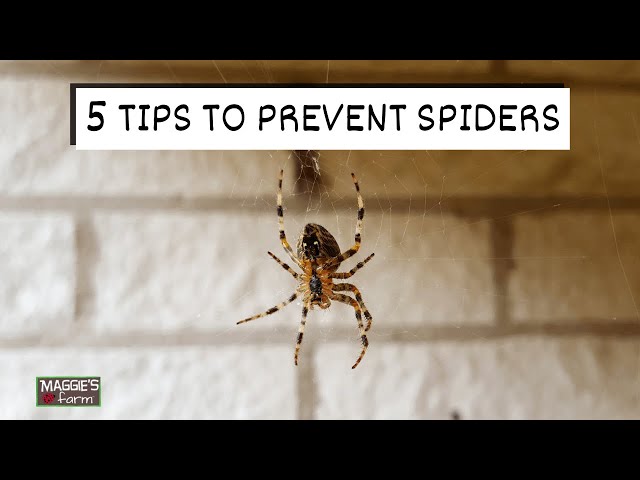
Preventing arachnid infestations involves a combination of proactive measures and ongoing maintenance. This approach focuses on eliminating attractive conditions and creating barriers to entry. By addressing both the interior and exterior of a dwelling, one can significantly reduce the likelihood of encountering these eight-legged creatures. Consistent implementation of preventative strategies is key to long-term success.
For instance, sealing cracks and crevices prevents spiders from entering while regular cleaning eliminates food sources like insects. Another effective method involves managing outdoor vegetation, which can serve as harborage areas for spiders. These combined efforts contribute to a spider-free environment.
Five Tips to Prevent Spiders
Regular cleaning, especially in undisturbed areas like basements and attics, disrupts spider habitats and removes webs. Vacuuming, dusting, and sweeping eliminate spider webs, egg sacs, and the insects they prey upon. This consistent cleaning regimen makes the environment less hospitable to spiders. Pay particular attention to corners, crevices, and areas behind furniture.
Sealing cracks and gaps in walls, windows, and doors prevents spiders from entering the home. Use caulk or weather stripping to seal these entry points effectively. This creates a physical barrier that keeps spiders out. Inspect your home regularly for potential entry points and seal them promptly.
Outdoor lighting attracts insects, which in turn attract spiders. Switching to yellow sodium vapor lights or LED lights reduces insect attraction and consequently, spider presence. Position outdoor lights away from the house to further minimize the attraction of insects near entry points. This helps break the food chain that draws spiders to your home.
Store firewood and other outdoor items away from the house. These items can harbor spiders and provide a pathway for them to enter your home. Elevating firewood off the ground and storing it a reasonable distance from the house minimizes this risk. Regularly inspect stored items for spider activity.
Natural spider repellents, such as essential oils like peppermint, citrus, and tea tree oil, can deter spiders. Mix a few drops of these oils with water and spray around potential entry points. The strong scent of these oils disrupts spiders’ sense of smell and encourages them to stay away. Reapply regularly for continued effectiveness.
Decluttering reduces hiding places for spiders. Keeping storage areas organized and free of clutter minimizes potential harborage sites. This makes the environment less appealing to spiders seeking shelter. Regularly declutter and organize storage areas, closets, and basements.
Maintain a clean and trimmed landscape around the house. Overgrown vegetation and leaf litter provide ideal habitats for spiders. Regularly trim bushes, shrubs, and trees, and keep the lawn mowed. This reduces the number of spiders near your home.
Remove spider webs as soon as you see them. This discourages spiders from rebuilding in the same location. Use a vacuum cleaner with a hose attachment or a long-handled broom to remove webs effectively. Consistent web removal signals to spiders that the area is not suitable for web building.
Consider using sticky traps in areas where spiders are commonly found. These traps capture spiders and can help monitor their activity. Place traps in corners, along baseboards, and behind furniture. Check and replace traps regularly.
Professional pest control services can provide effective spider control solutions. They can identify the species of spider, assess the infestation, and recommend appropriate treatment options. If you are dealing with a persistent spider problem, consider contacting a professional for assistance.
Important Points to Consider
- Consistent Cleaning: Regular cleaning, particularly in undisturbed areas, disrupts spider habitats and removes food sources, making the environment less hospitable. This includes vacuuming, dusting, and sweeping to eliminate webs, egg sacs, and insects. Focus on corners, crevices, and areas behind furniture where spiders tend to congregate. Consistent cleaning is a crucial step in spider prevention.
- Sealing Entry Points: Sealing cracks and gaps in walls, windows, and doors is essential to prevent spiders from entering the home. Use caulk or weather stripping to effectively seal these entry points. This creates a physical barrier that keeps spiders out and is a key preventative measure. Regularly inspect your home for potential entry points and seal them promptly.
- Exterior Lighting: The type of outdoor lighting used can significantly impact spider presence. Switching to yellow sodium vapor lights or LED lights reduces insect attraction, which in turn reduces spider attraction. Positioning outdoor lights away from the house further minimizes the attraction of insects near entry points. This breaks the food chain that draws spiders to your home.
- Storage Practices: Proper storage of firewood and other outdoor items is crucial for spider prevention. Storing these items away from the house and elevating them off the ground minimizes the risk of spiders using them as a pathway into your home. Regularly inspect stored items for spider activity to prevent infestations.
- Natural Repellents: Utilizing natural spider repellents like essential oils can effectively deter spiders. The strong scent of oils such as peppermint, citrus, and tea tree oil disrupts spiders’ sense of smell, encouraging them to stay away. Mix a few drops of these oils with water and spray around potential entry points, reapplying regularly for continued effectiveness.
- Decluttering: Reducing clutter eliminates hiding places for spiders, making the environment less appealing. Keeping storage areas organized and free of clutter minimizes potential harborage sites. Regularly declutter and organize storage areas, closets, and basements to discourage spider habitation.
- Landscaping: Maintaining a clean and trimmed landscape around the house reduces spider habitats. Overgrown vegetation and leaf litter provide ideal environments for spiders. Regularly trim bushes, shrubs, and trees, and keep the lawn mowed to minimize spider populations near your home. This creates a less inviting environment for spiders.
- Web Removal: Promptly removing spider webs discourages spiders from rebuilding in the same location. Use a vacuum cleaner with a hose attachment or a long-handled broom to remove webs effectively. Consistent web removal signals to spiders that the area is unsuitable for web building and encourages them to seek alternative locations.
- Sticky Traps: Sticky traps can be an effective tool for capturing spiders and monitoring their activity. Place traps in corners, along baseboards, and behind furniture where spiders are commonly found. Check and replace traps regularly to maintain their effectiveness. This allows for monitoring and control of spider populations.
Tips for a Spider-Free Environment
- Vacuum Regularly: Regular vacuuming removes spider webs, egg sacs, and insects, disrupting their life cycle and making your home less attractive. Pay special attention to corners, crevices, and under furniture.
Vacuuming removes not only visible spiders and webs but also hidden egg sacs, preventing future infestations. Focus on areas where spiders are commonly found, such as basements, attics, and storage areas. Regular vacuuming is a simple yet effective method for spider control.
Seal Cracks and Crevices: Sealing cracks and crevices in walls, windows, and doors prevents spiders from entering your home. Use caulk or weather stripping to seal these entry points effectively.
Inspect your home thoroughly for any potential entry points, paying close attention to areas around pipes, vents, and utility lines. Sealing these gaps not only prevents spiders but also improves energy efficiency and reduces drafts. Regularly check for new cracks and crevices and seal them promptly.
Control Outdoor Lighting: Opt for yellow sodium vapor lights or LED lights, as they are less attractive to insects, which are a primary food source for spiders.
By minimizing the presence of insects around your home, you reduce the likelihood of attracting spiders. Consider installing motion-sensor lights, which further minimize insect attraction. Positioning lights away from the house also helps keep insects and spiders at bay.
Spiders play a vital role in the ecosystem by controlling insect populations, but their presence within homes can be unsettling for many. Understanding spider behavior and implementing preventative measures can significantly reduce the likelihood of infestations. By creating an environment that is less hospitable to spiders, homeowners can coexist peacefully with these beneficial creatures while maintaining a comfortable living space. Consistent effort is key to long-term success in spider prevention.
Different spider species exhibit varying behaviors and habitat preferences. Some spiders prefer dark, damp environments like basements and crawl spaces, while others thrive in dry, cluttered areas like attics and storage rooms. Identifying the types of spiders common in your area can help you tailor your prevention efforts more effectively. Knowing their preferred habitats allows for targeted cleaning and preventative measures.
The presence of insects is a primary attractant for spiders. Controlling insect populations within and around the home is crucial for spider prevention. Eliminating food sources for spiders makes the environment less appealing and reduces their likelihood of establishing webs and colonies. Regular pest control measures can significantly impact spider populations.
Maintaining a clean and organized home is essential for spider prevention. Regular cleaning removes spider webs, egg sacs, and the insects they prey upon. Decluttering reduces hiding places and makes the environment less attractive to spiders seeking shelter. A tidy home is a less hospitable environment for spiders.
Landscaping plays a significant role in spider management. Keeping vegetation trimmed and removing leaf litter eliminates potential harborage sites for spiders. Creating a buffer zone between vegetation and the house reduces the likelihood of spiders migrating indoors. Regular landscaping maintenance is crucial for spider prevention.
Sealing entry points is a crucial step in preventing spiders from entering the home. Cracks and crevices in walls, windows, and doors provide easy access for spiders. Using caulk or weather stripping to seal these entry points creates a physical barrier that keeps spiders out. Regular inspection and sealing of entry points is essential.
Natural spider repellents can be an effective and environmentally friendly way to deter spiders. Essential oils like peppermint, citrus, and tea tree oil have been shown to repel spiders. Mixing these oils with water and spraying around potential entry points can create a barrier that spiders avoid. Reapply regularly for continued effectiveness.
Sticky traps can be used to monitor spider activity and capture spiders in specific areas. Placing traps in corners, along baseboards, and behind furniture can help identify areas where spiders are most active. Regularly checking and replacing traps can provide valuable information about spider populations and help target prevention efforts.
For persistent spider problems, professional pest control services can provide effective solutions. Professionals can identify the species of spider, assess the infestation, and recommend appropriate treatment options. They can also provide ongoing monitoring and preventative measures to ensure long-term spider control.
Frequently Asked Questions
John: What is the most effective way to prevent spiders from entering my home?
Professional: The most effective approach involves a combination of sealing entry points, regular cleaning, and managing outdoor vegetation. Sealing cracks and crevices prevents spiders from entering, while cleaning eliminates food sources and webs. Managing vegetation reduces harborage areas around the house. Combining these strategies creates a comprehensive defense against spider infestations.
Sarah: Are there any natural methods for repelling spiders?
Professional: Yes, certain essential oils, such as peppermint, citrus, and tea tree oil, can act as natural spider repellents. Mix a few drops of these oils with water and spray around potential entry points. The strong scent disrupts spiders’ sense of smell and encourages them to stay away. Reapply regularly for continued effectiveness.
Ali: I keep finding spider webs in my basement. What should I do?
Professional: Regularly cleaning your basement, including removing webs and vacuuming, is essential. Pay attention to corners, crevices, and areas behind storage items. Consider using dehumidifiers to reduce moisture, as some spider species prefer damp environments. Also, ensure that any cracks or gaps in walls and windows are sealed to prevent spiders from entering.
Maria: I have a phobia of spiders. What can I do to feel more comfortable in my home?
Professional: Implementing the preventative measures discussed earlier can significantly reduce spider encounters. Consider contacting a professional pest control service for a thorough inspection and treatment. They can provide expert advice and targeted solutions to address your specific concerns and help create a spider-free environment, providing peace of mind.
Youtube Video: